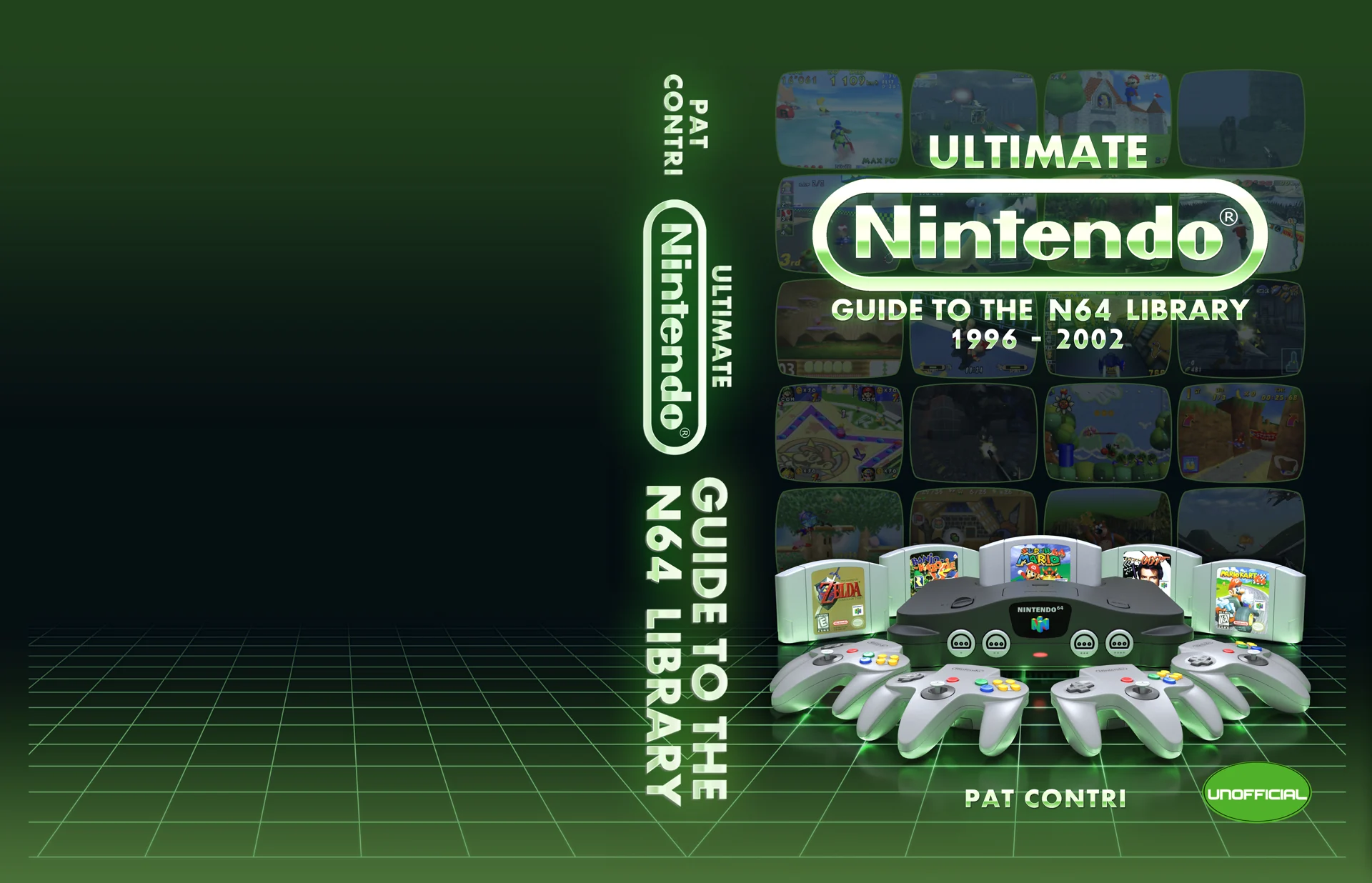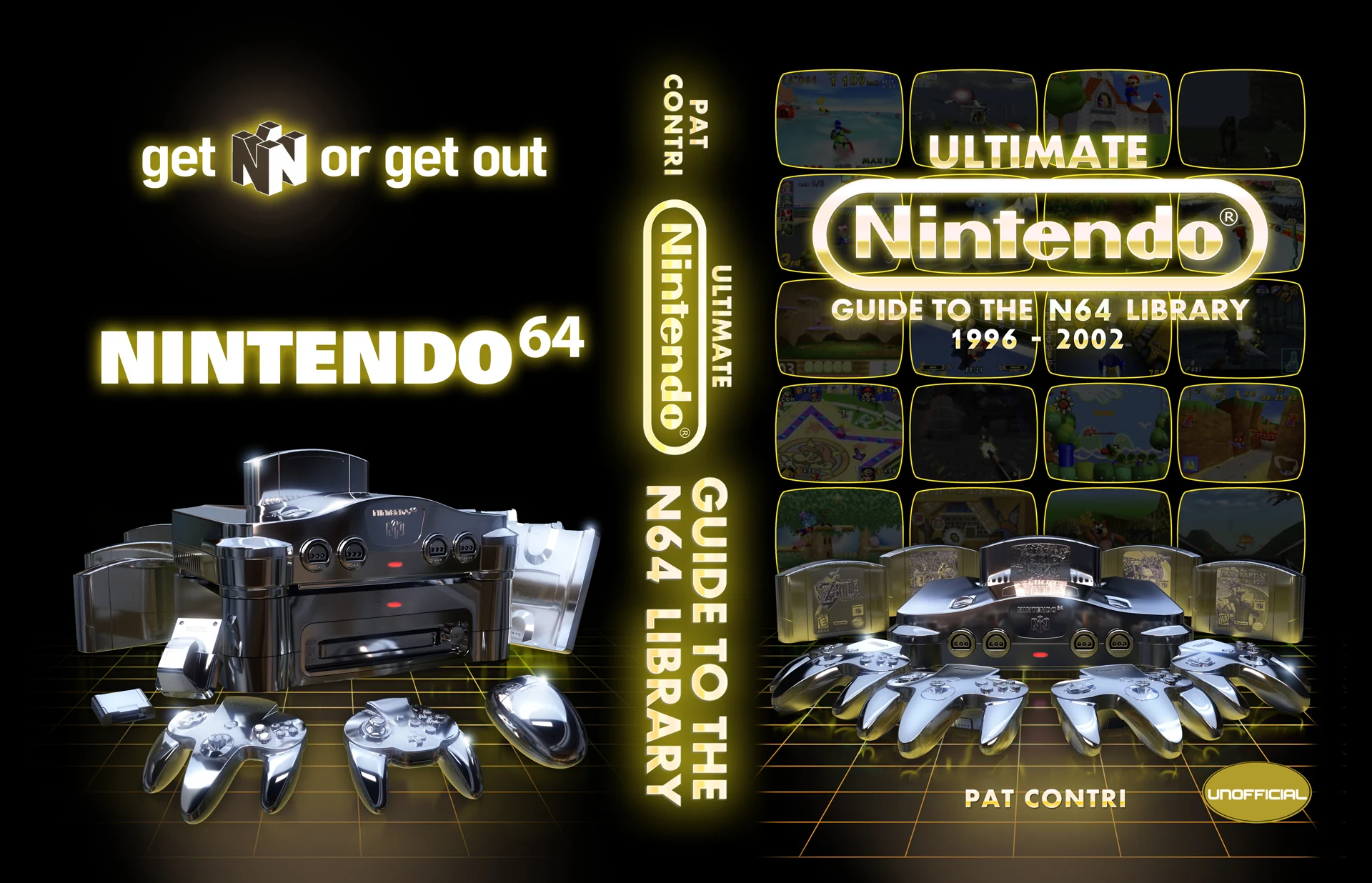
ULTIMATE NINTENDO: N64 HARDWARE & COVER ART
2022-2024
Published Illustration Work
This work was created for Pat Contri's published book, Ultimate Nintendo: Guide to the N64 Library (1996-2002) Special Edition. This page is limited to hardware and cover imagery I directly modeled, revised, rendered, or assembled for the publication.
An Expanding Production Role
My involvement began with a focused assignment to create renders of third-party hardware. The scope quickly expanded into first-party hardware and then into a broader production role spanning controller revisions, complete variant libraries, cartridges, console accuracy passes, special-edition hardware, and the book covers themselves.
By the end of production, I had contributed to nearly every hardware-related art asset in the book. The work ranged from improving existing forms to building new assets from scratch, then carrying each approved model through consistent materials, lighting, camera presentation, and publication-ready output.
Controller Production and Transparent Internals
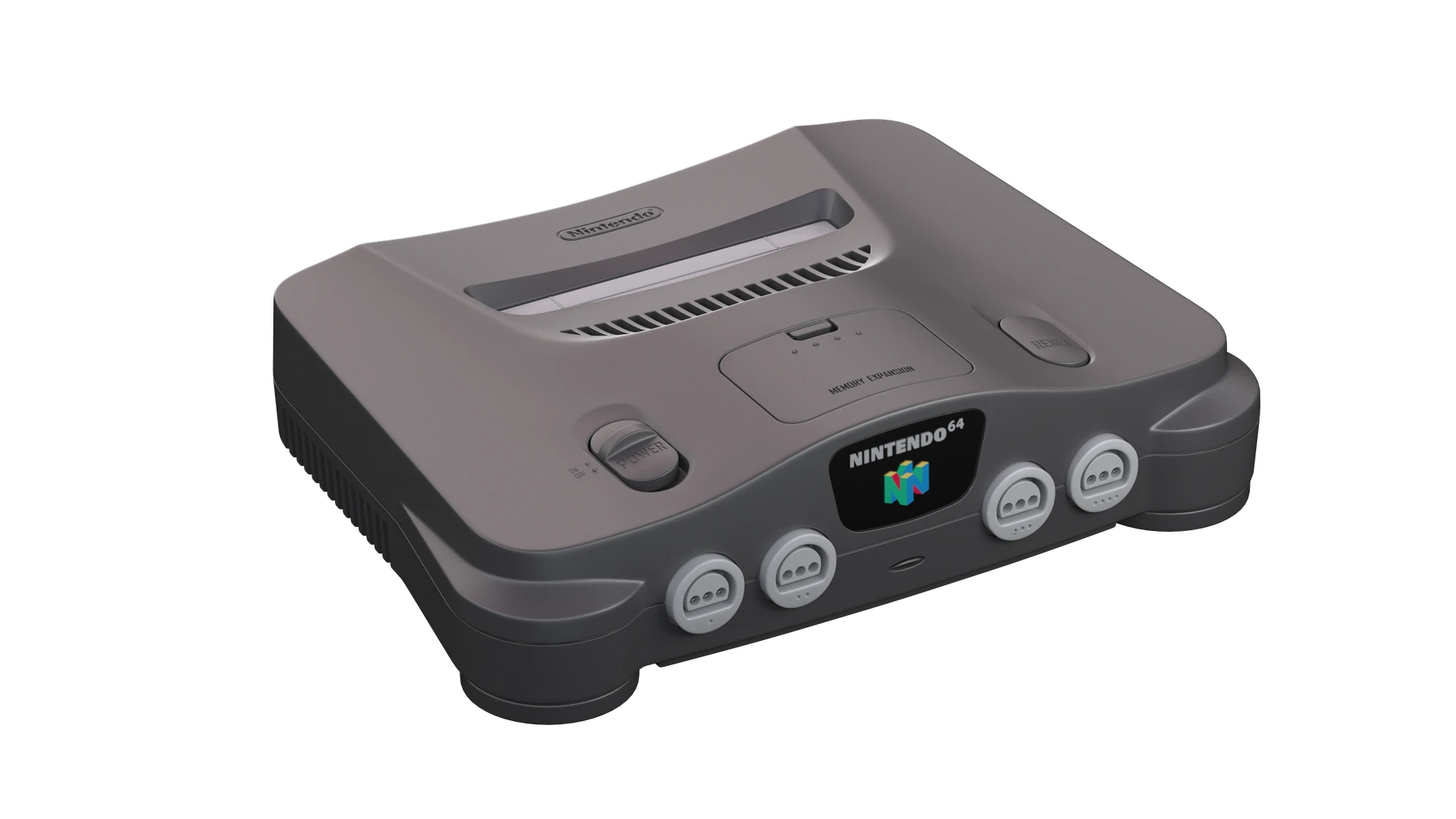
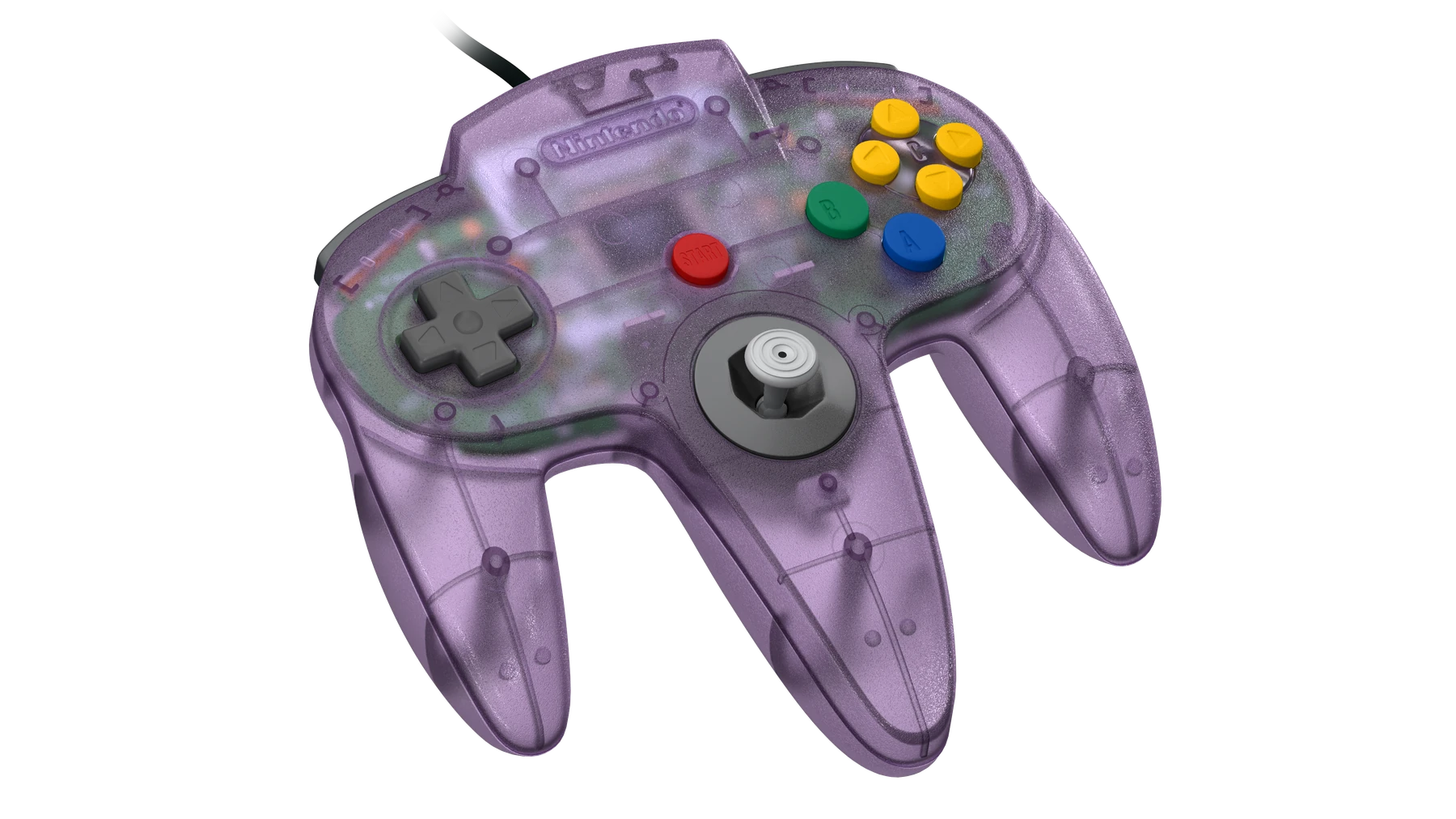
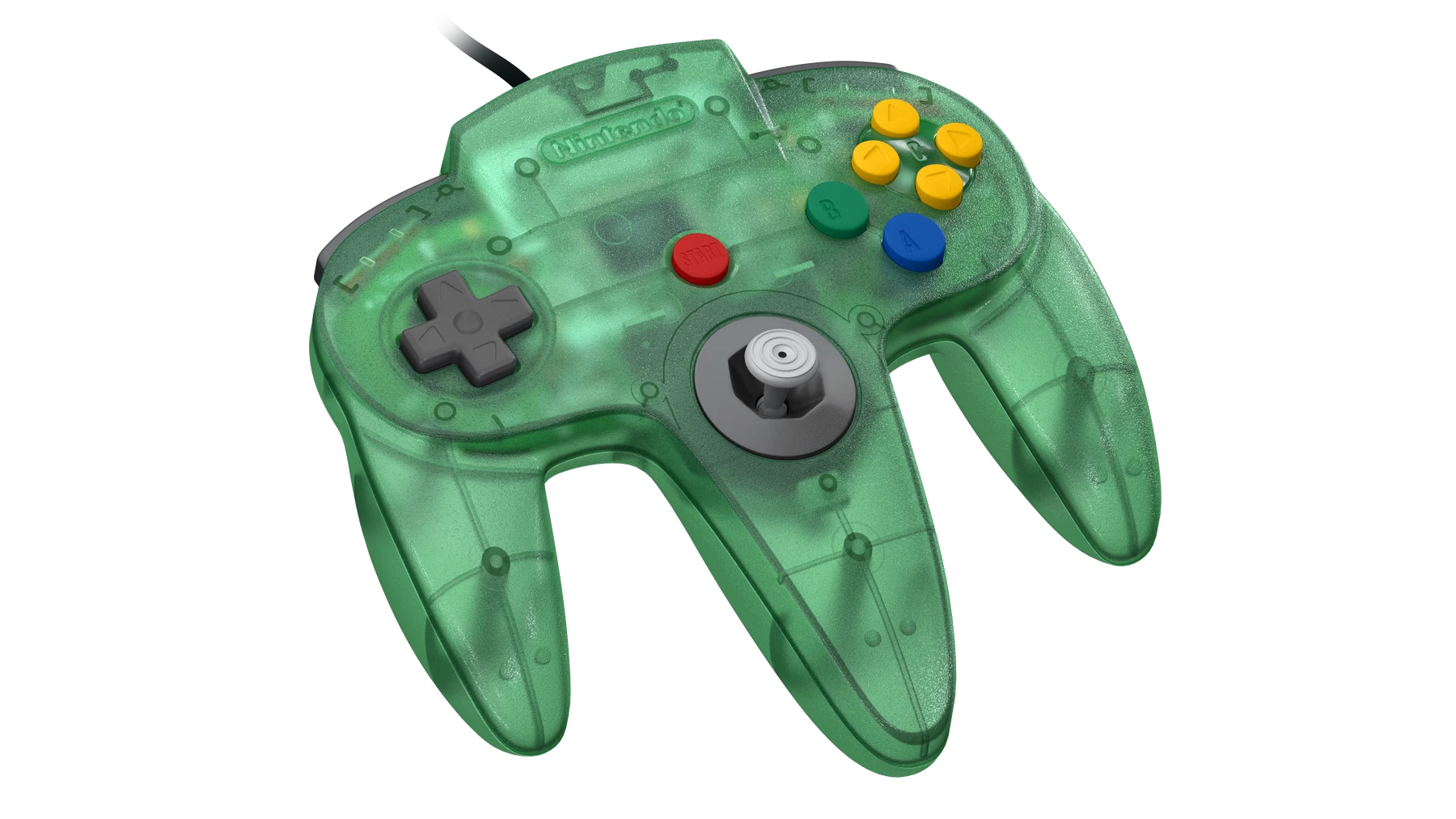
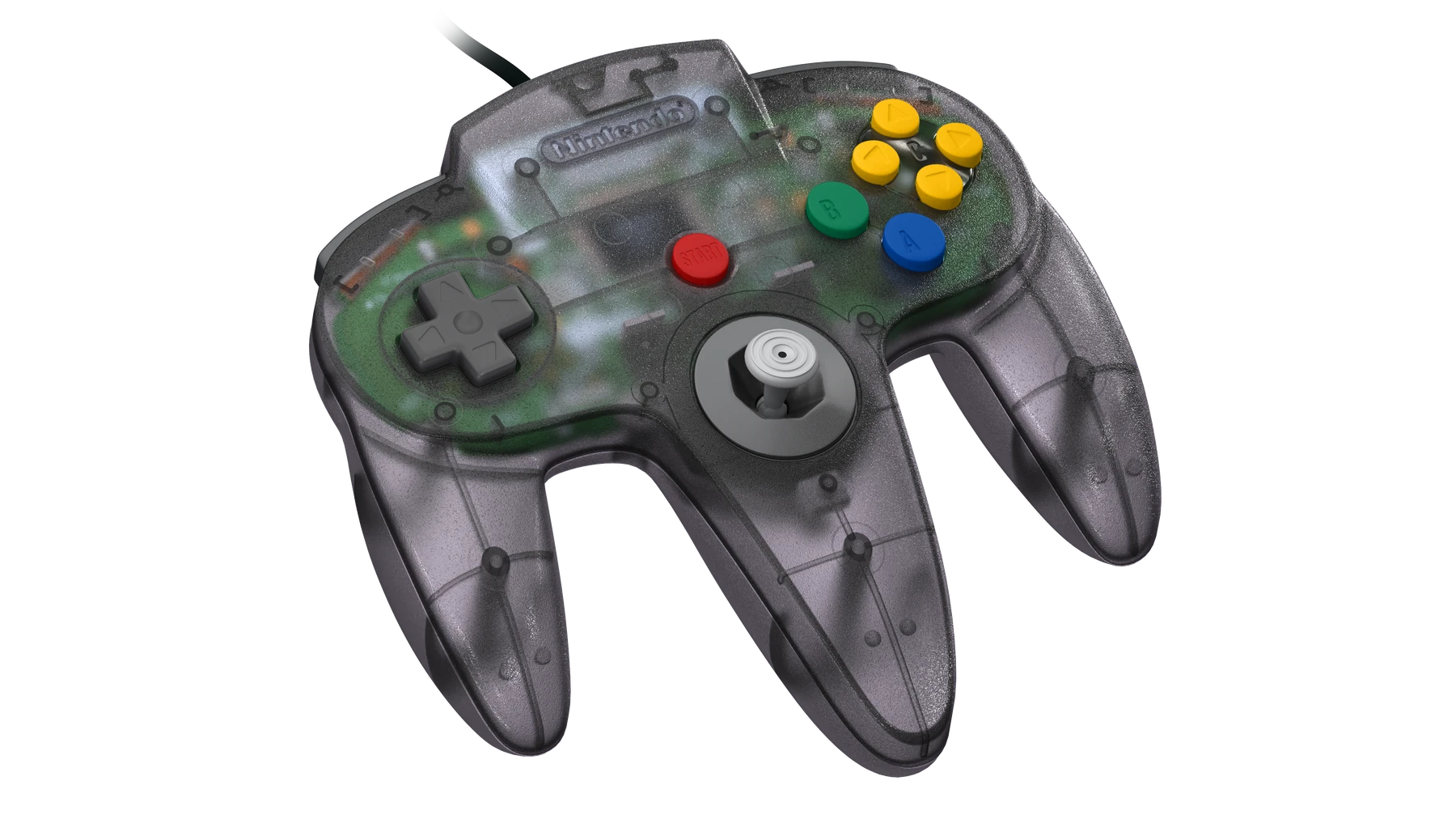
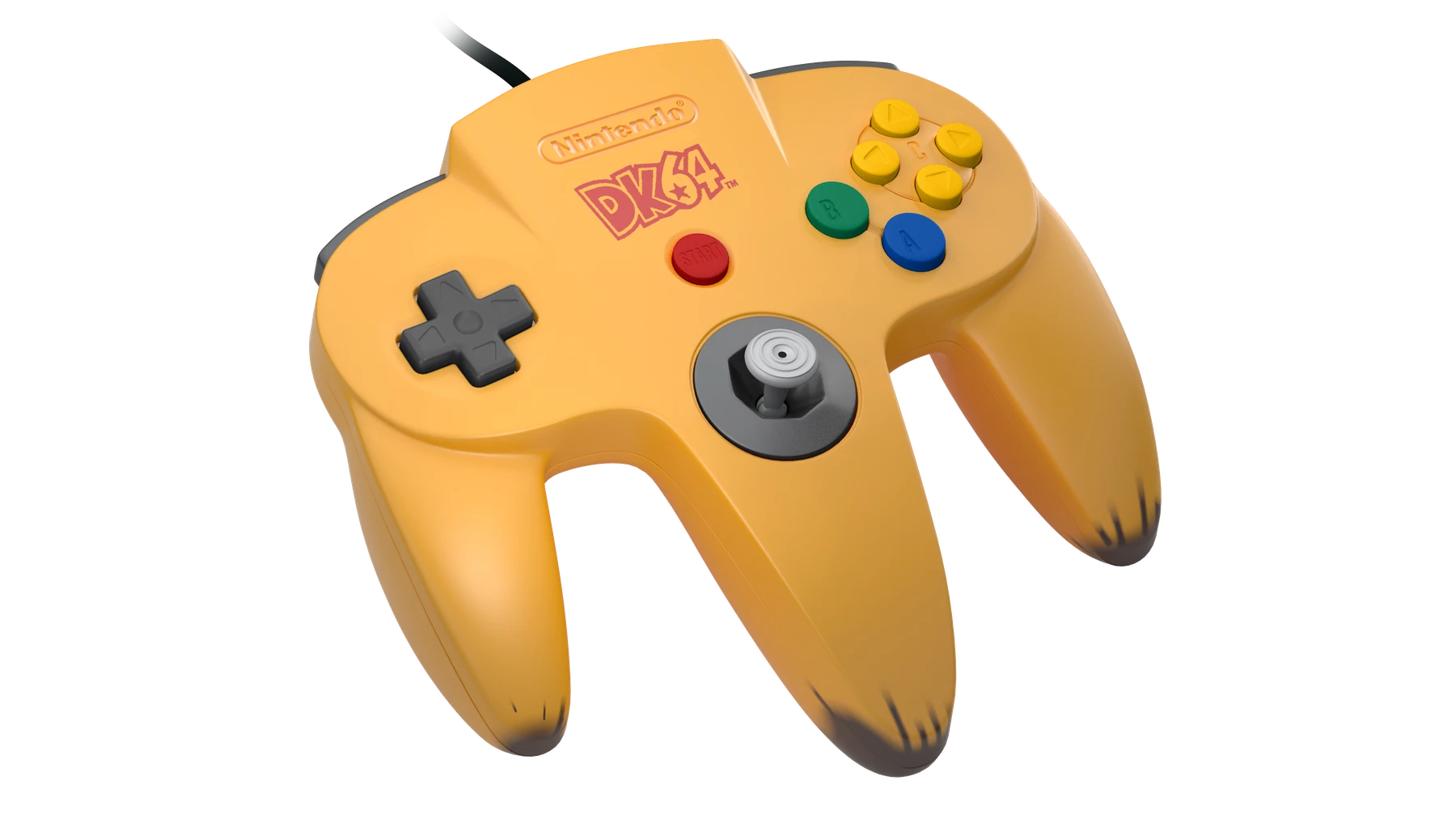
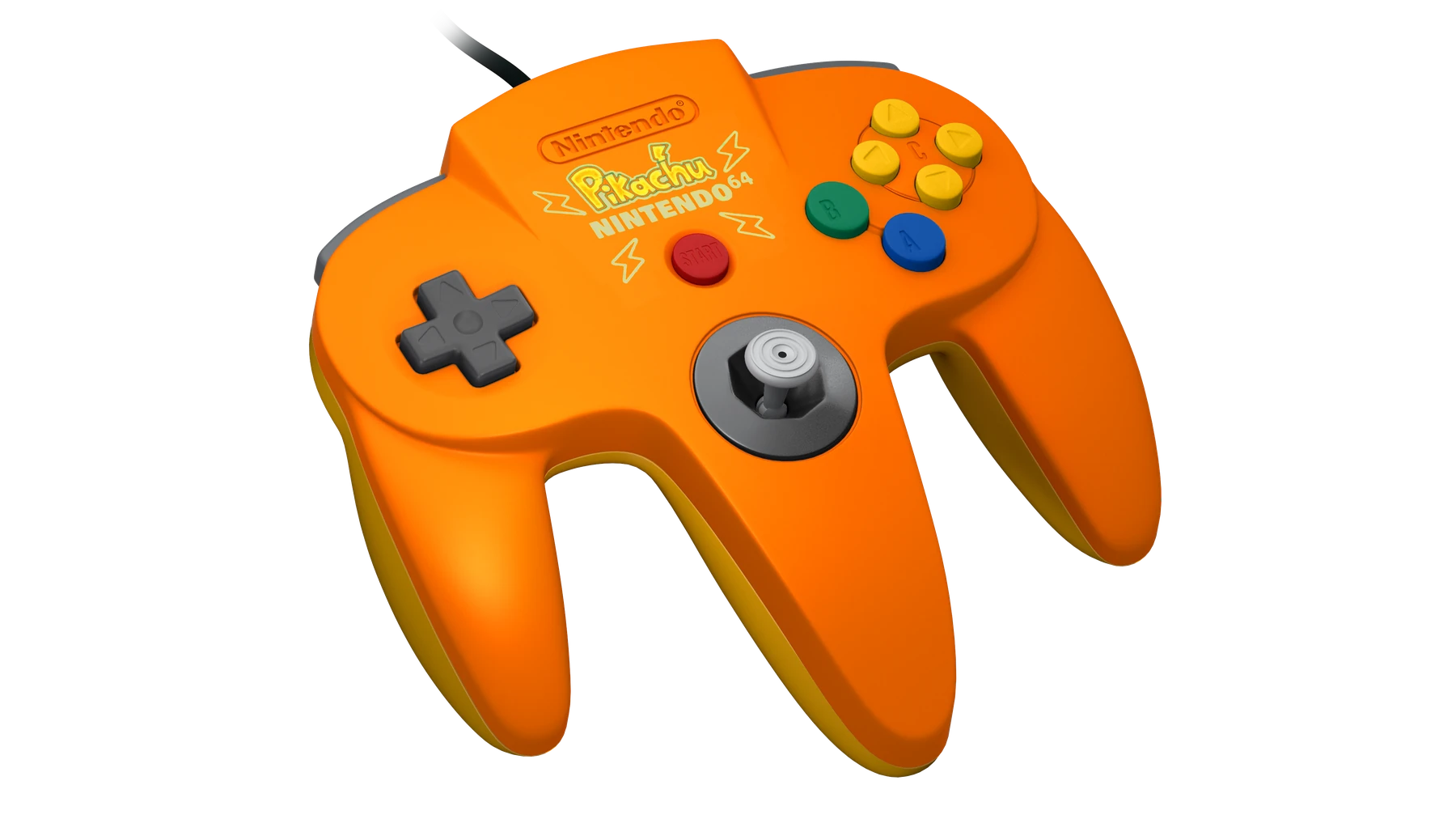
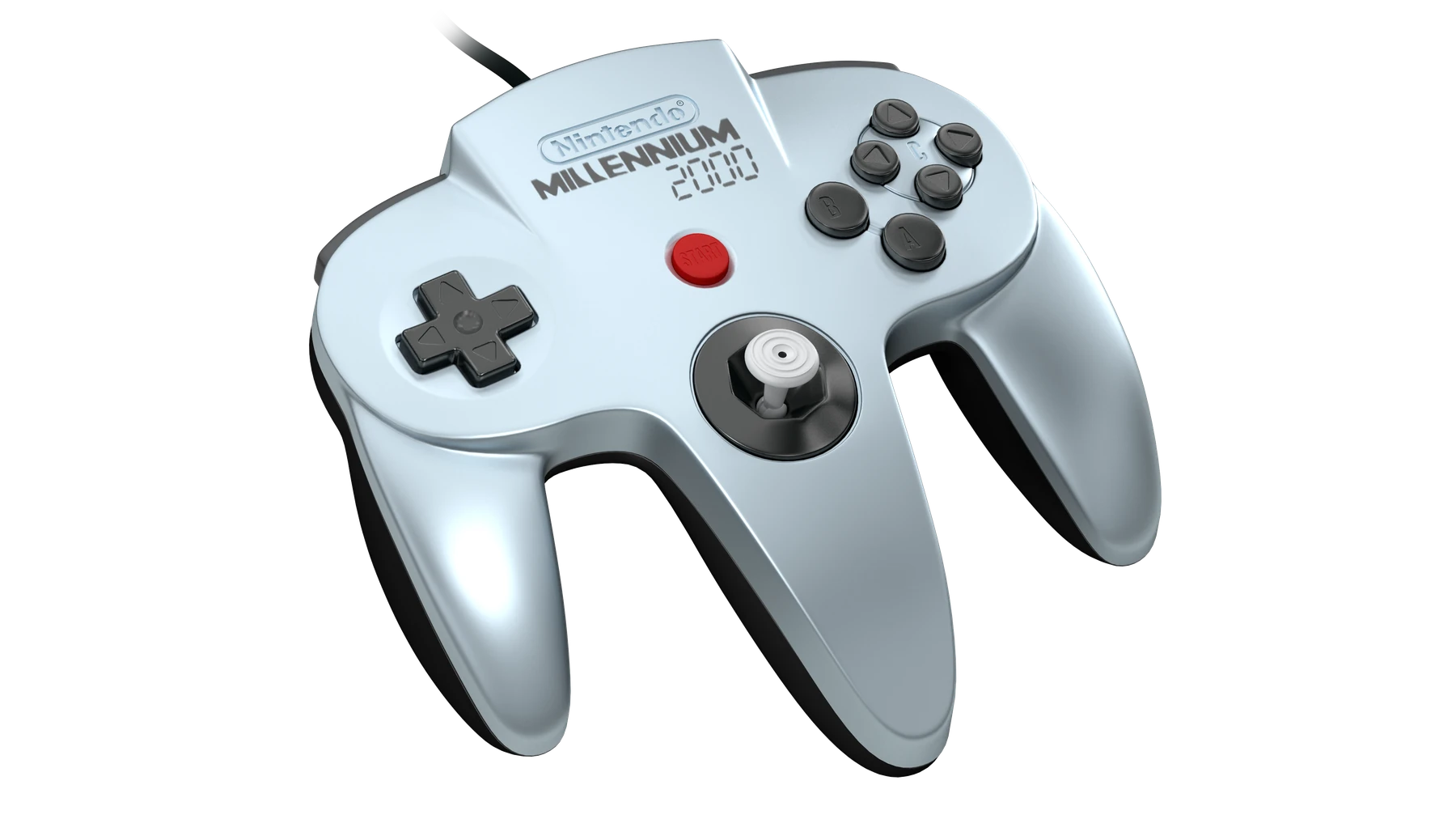
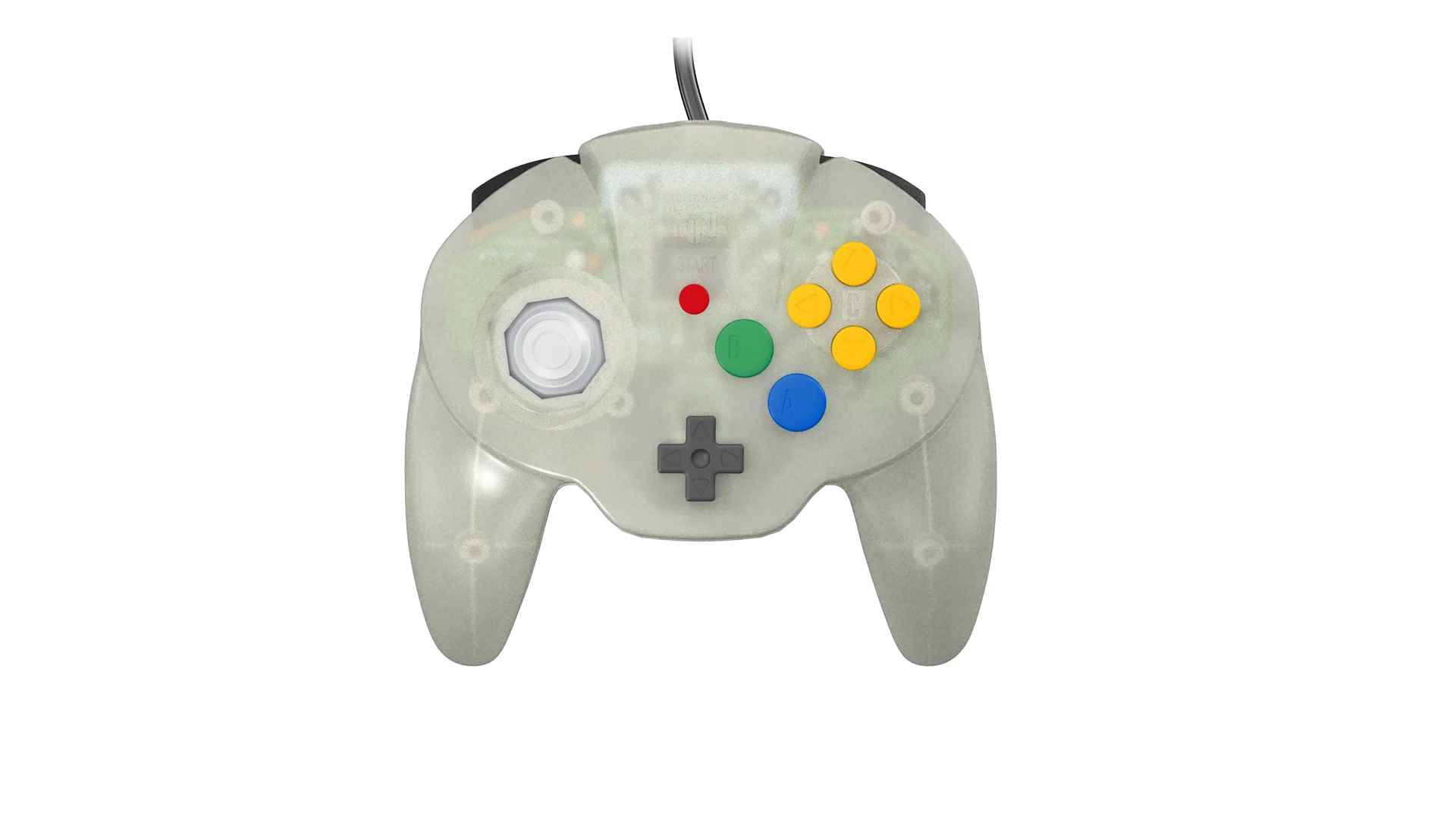
After I was asked to revise the standard controller so it matched the physical model more closely, I took over production of all controller renders and their many standard, translucent, promotional, character, and regional variants.
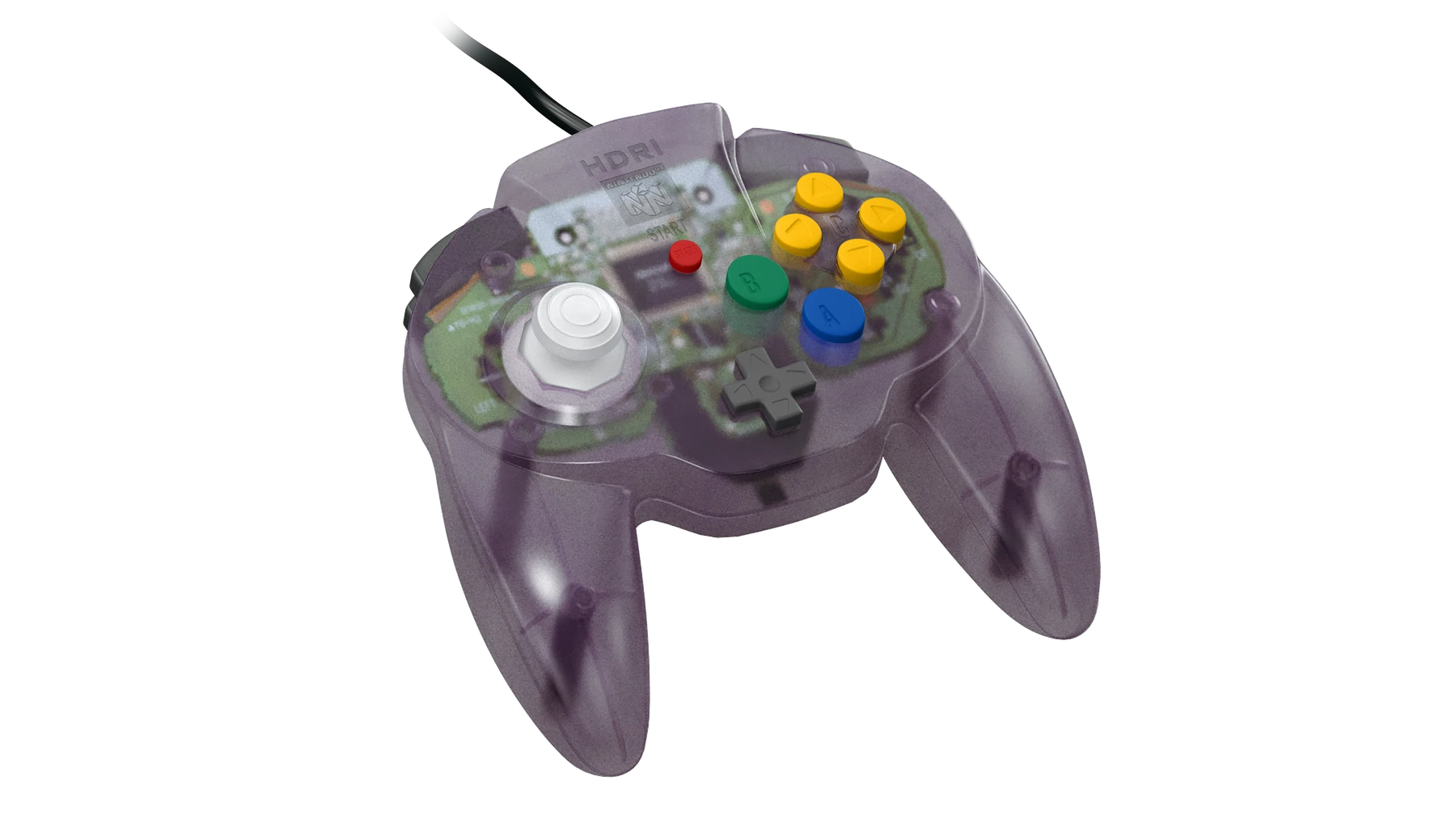
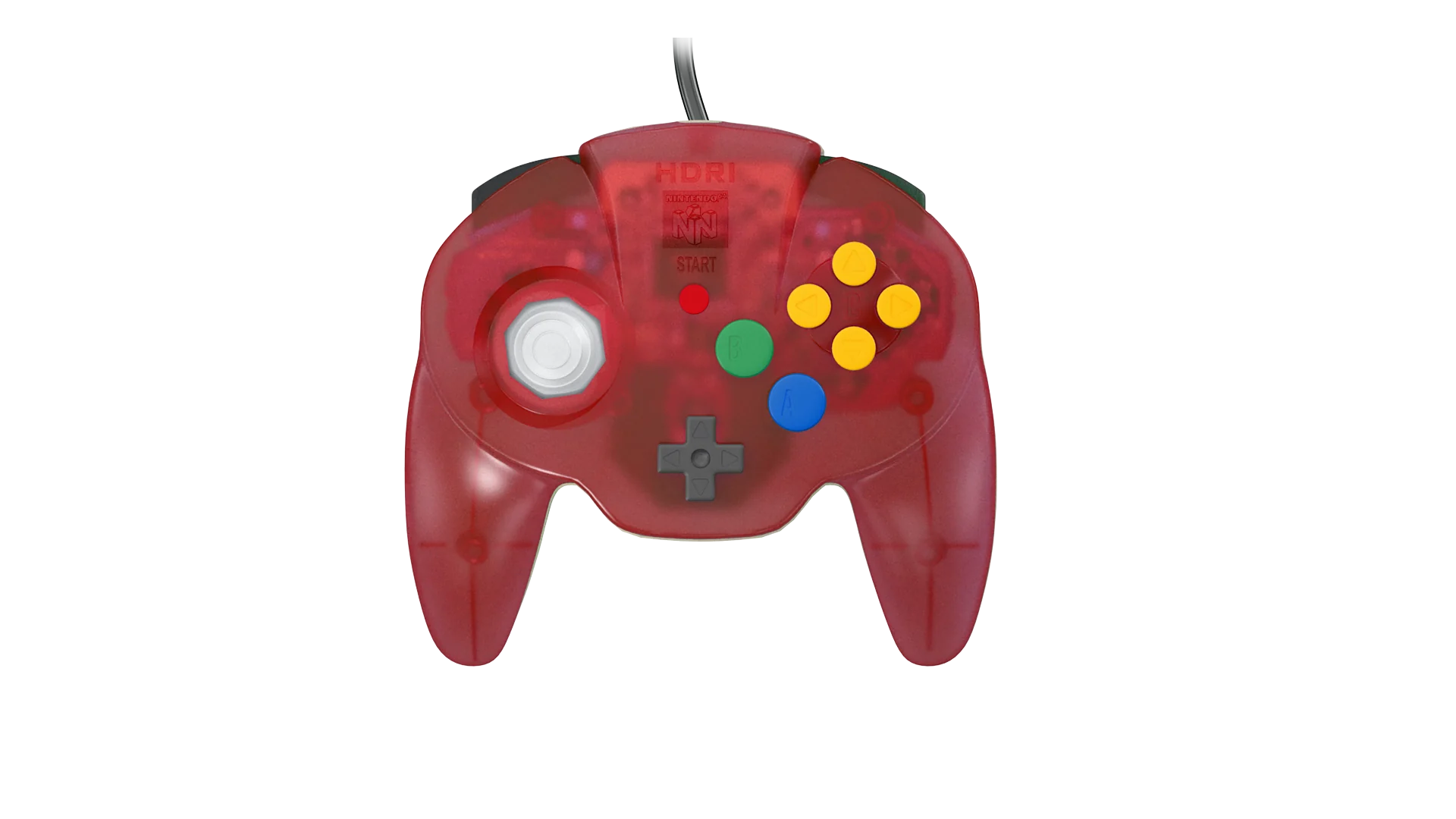
The transparent controllers required more than a shell material change. I modeled the internal structures visible through the plastic, then balanced absorption, reflection, refraction, edge density, and component readability so every variant remained believable as a manufactured object.
Hori and Third-Party Controllers
The Hori controller family was a separate build rather than an adaptation of the first-party controller. I modeled the Hori Mini Pad from scratch and generated its full range of opaque, translucent, two-tone, metallic, and limited-edition variants using the same controlled presentation system as the rest of the book.
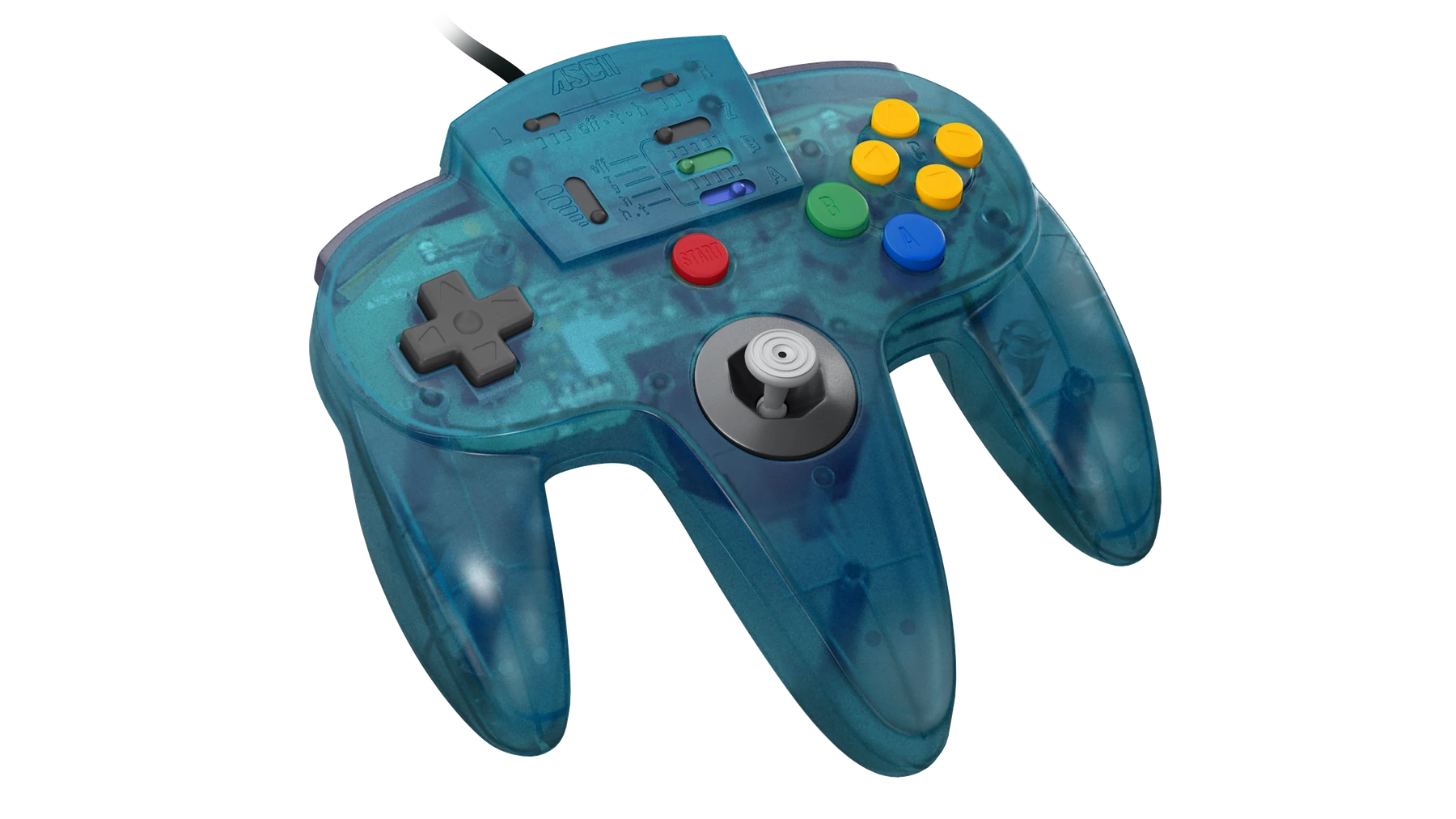
Additional third-party hardware, including the ASCII controller, was matched to that shared camera and lighting language so distinct manufacturers and forms could still read as one coherent publication archive.
Cartridge Reconstruction and Color Library
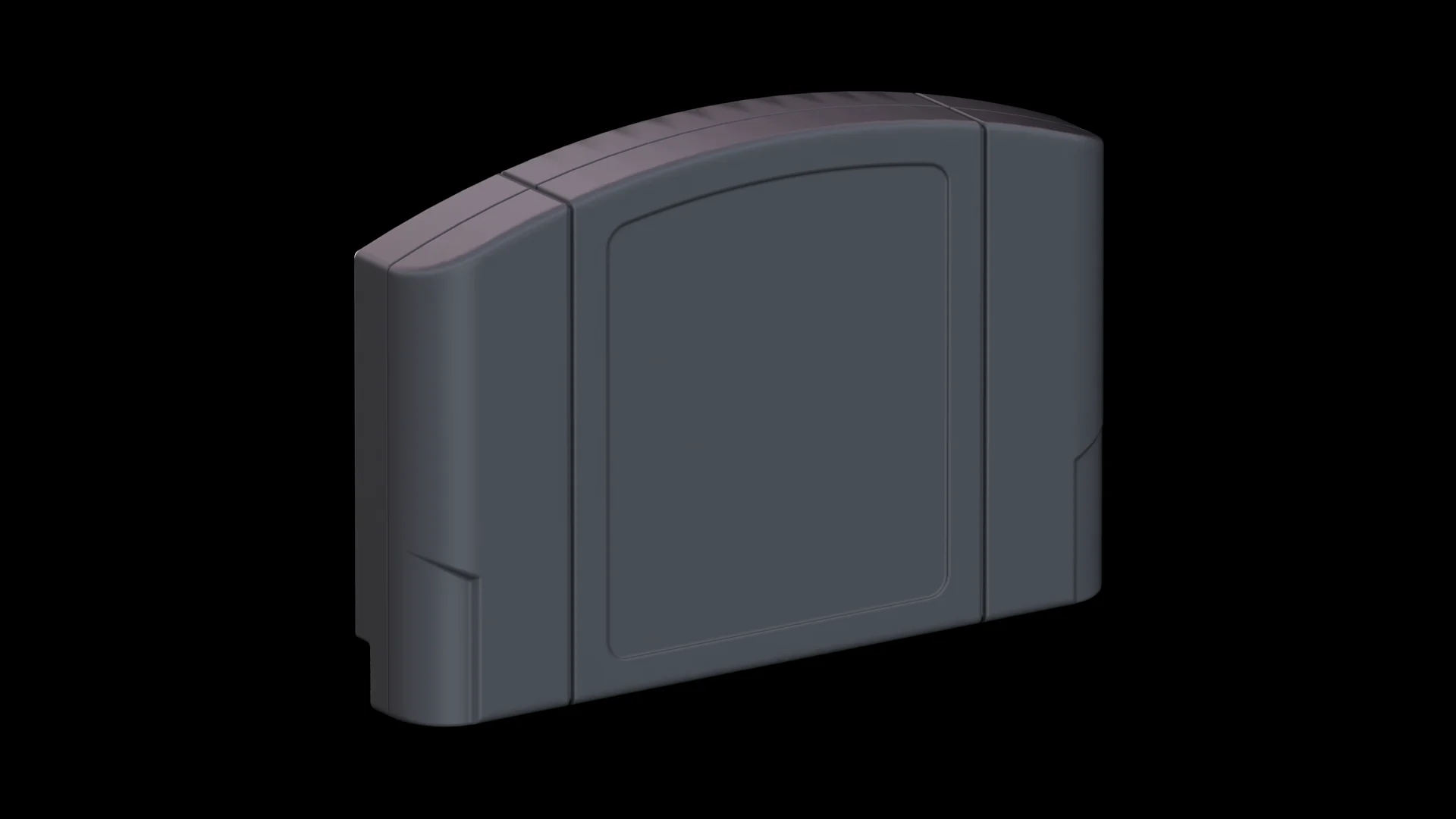
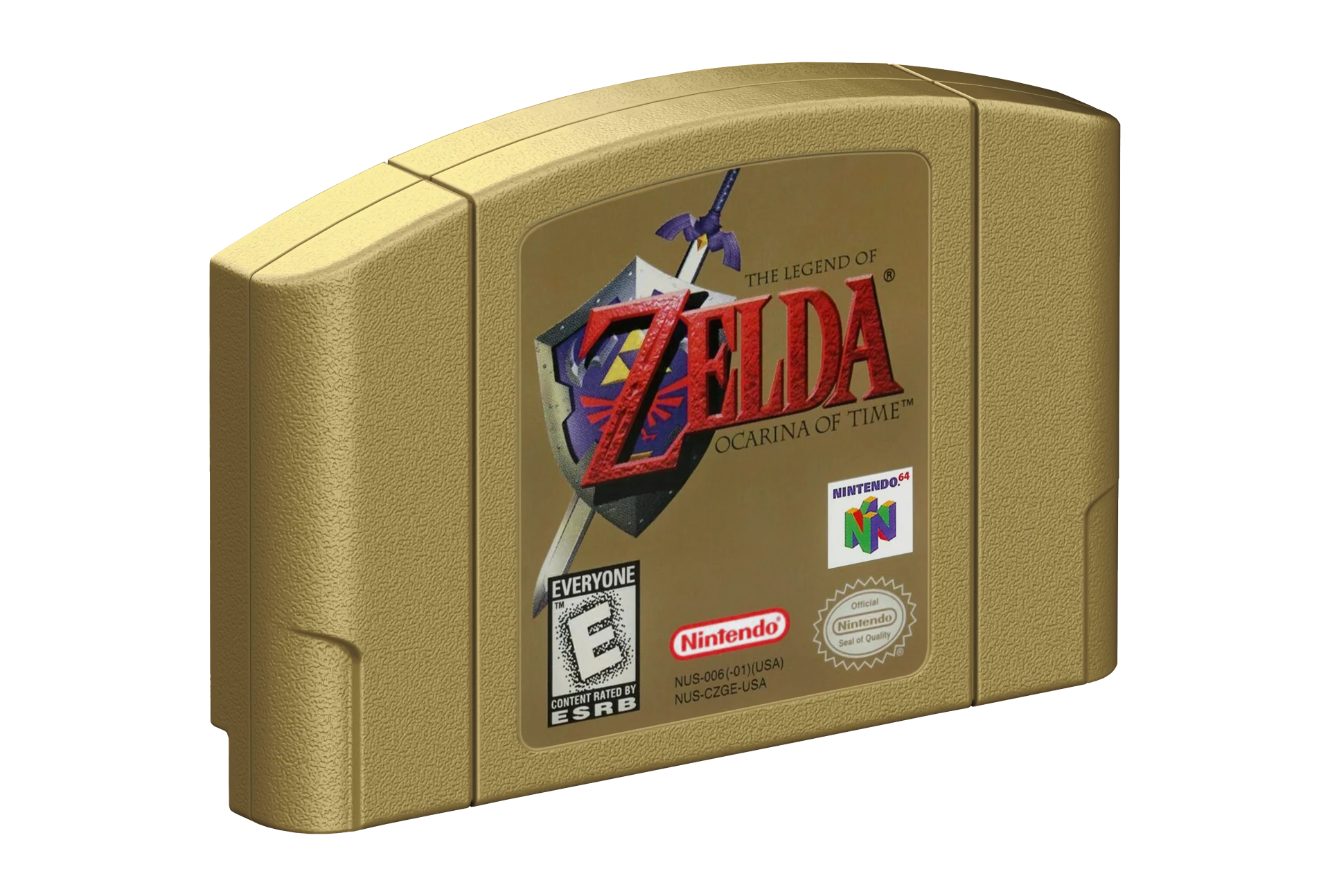
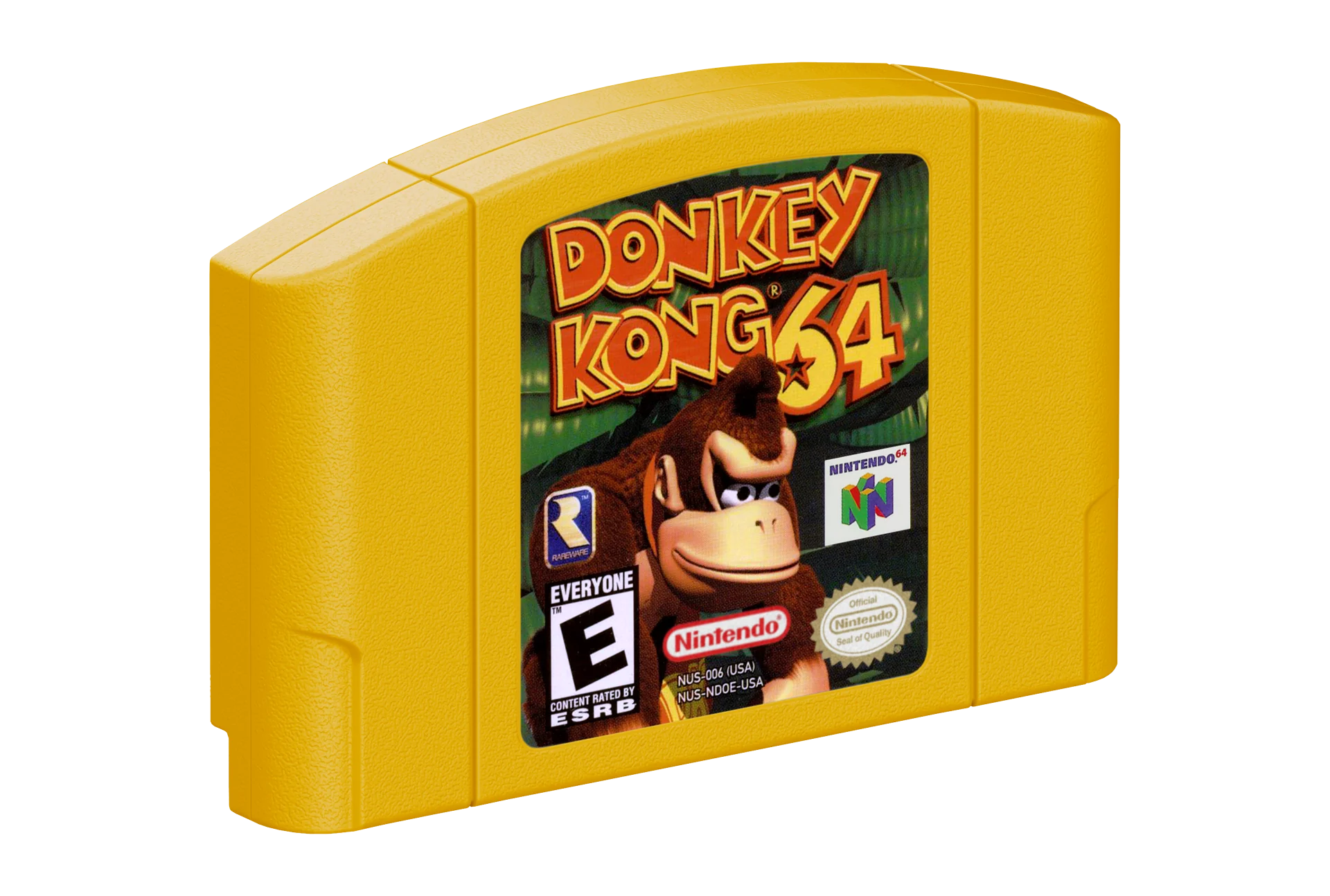
I rebuilt the Nintendo 64 cartridge so its proportions, molded seams, label recess, edge transitions, and surface texture matched the physical object more closely. That revised model became the foundation for the cartridge imagery used throughout the book.
From that master asset I generated the required color, finish, and label variations, including the distinctive gold and yellow cartridges shown here.
Console Accuracy Pass and Standard Variants
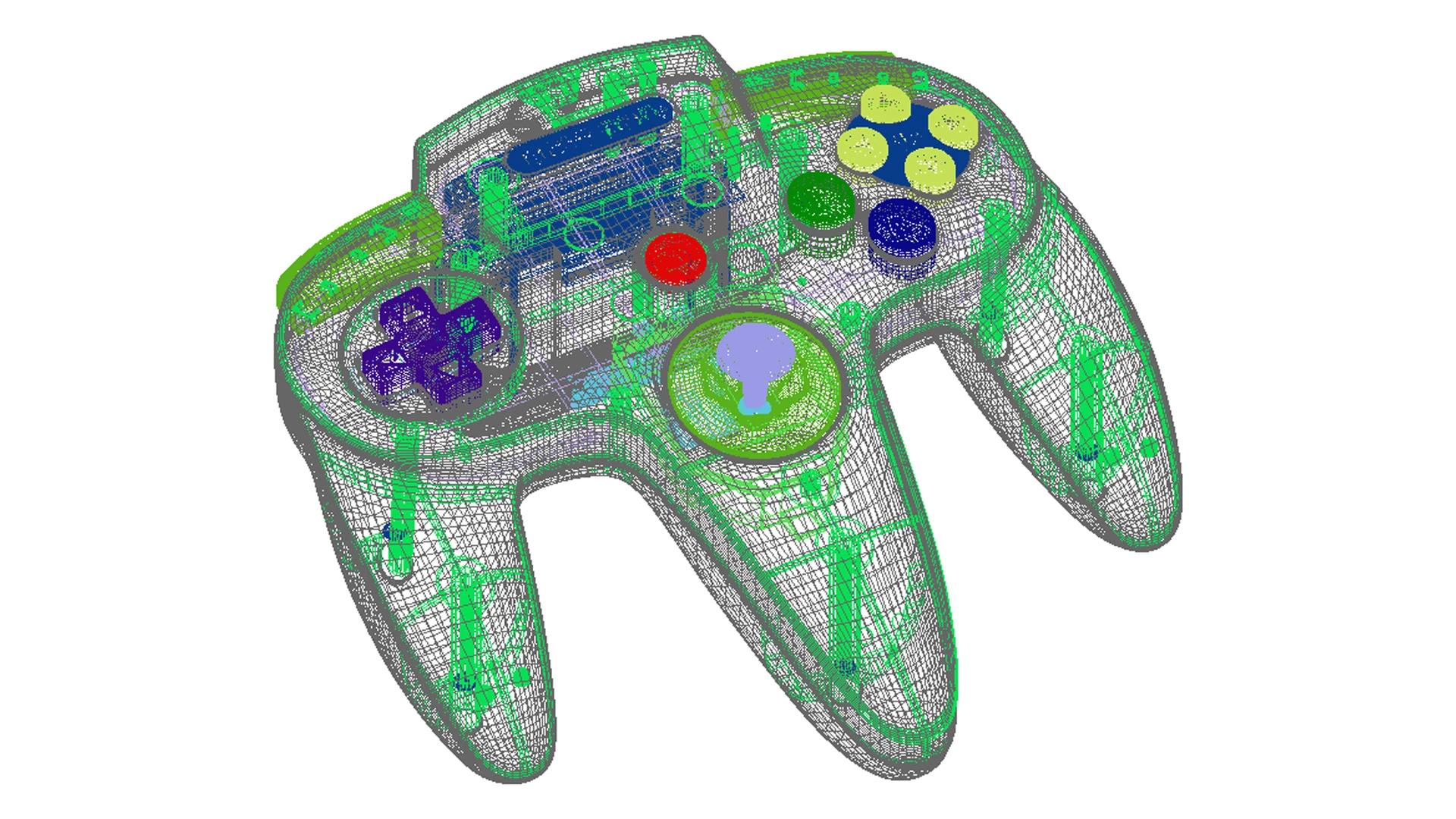
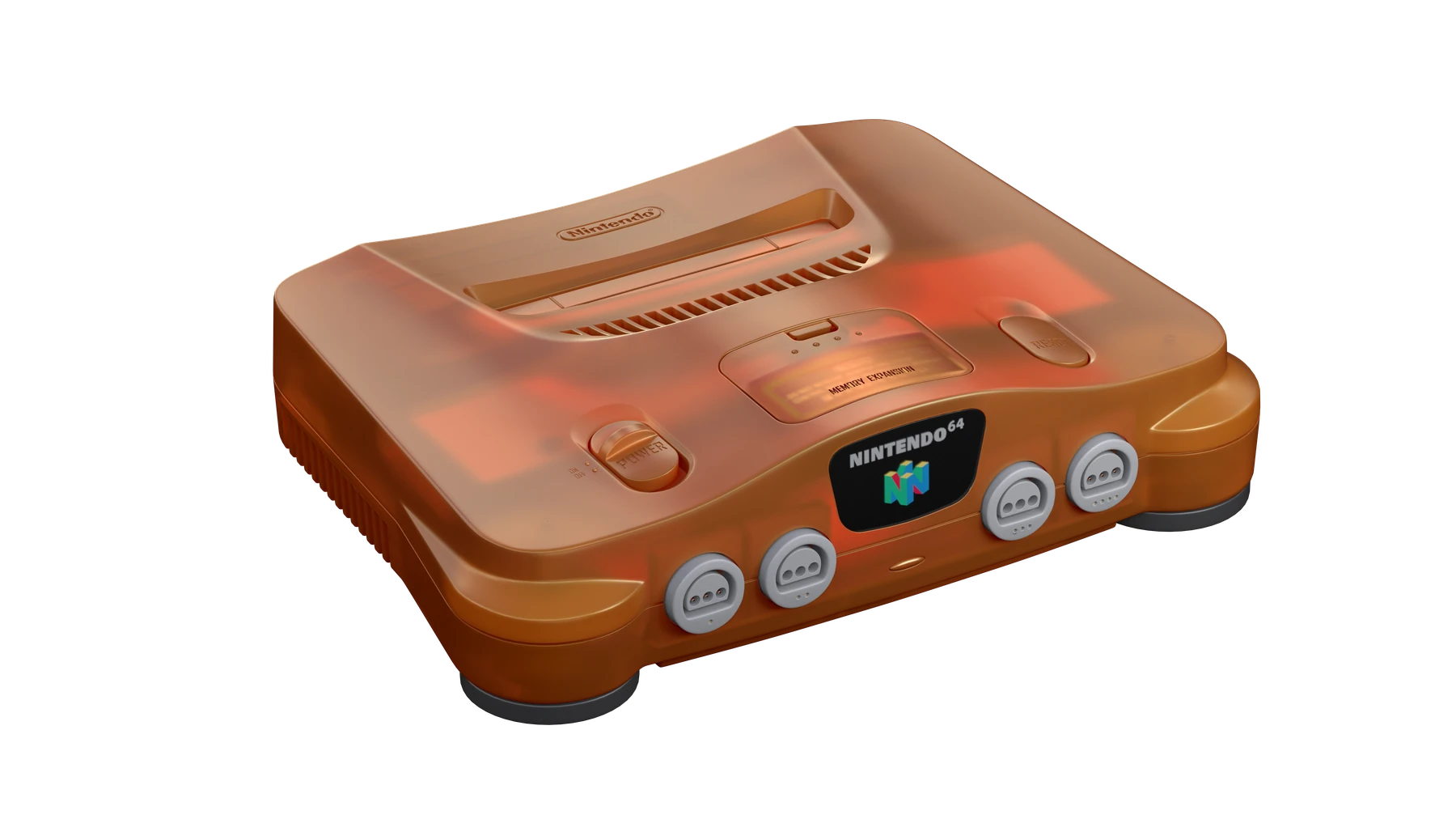
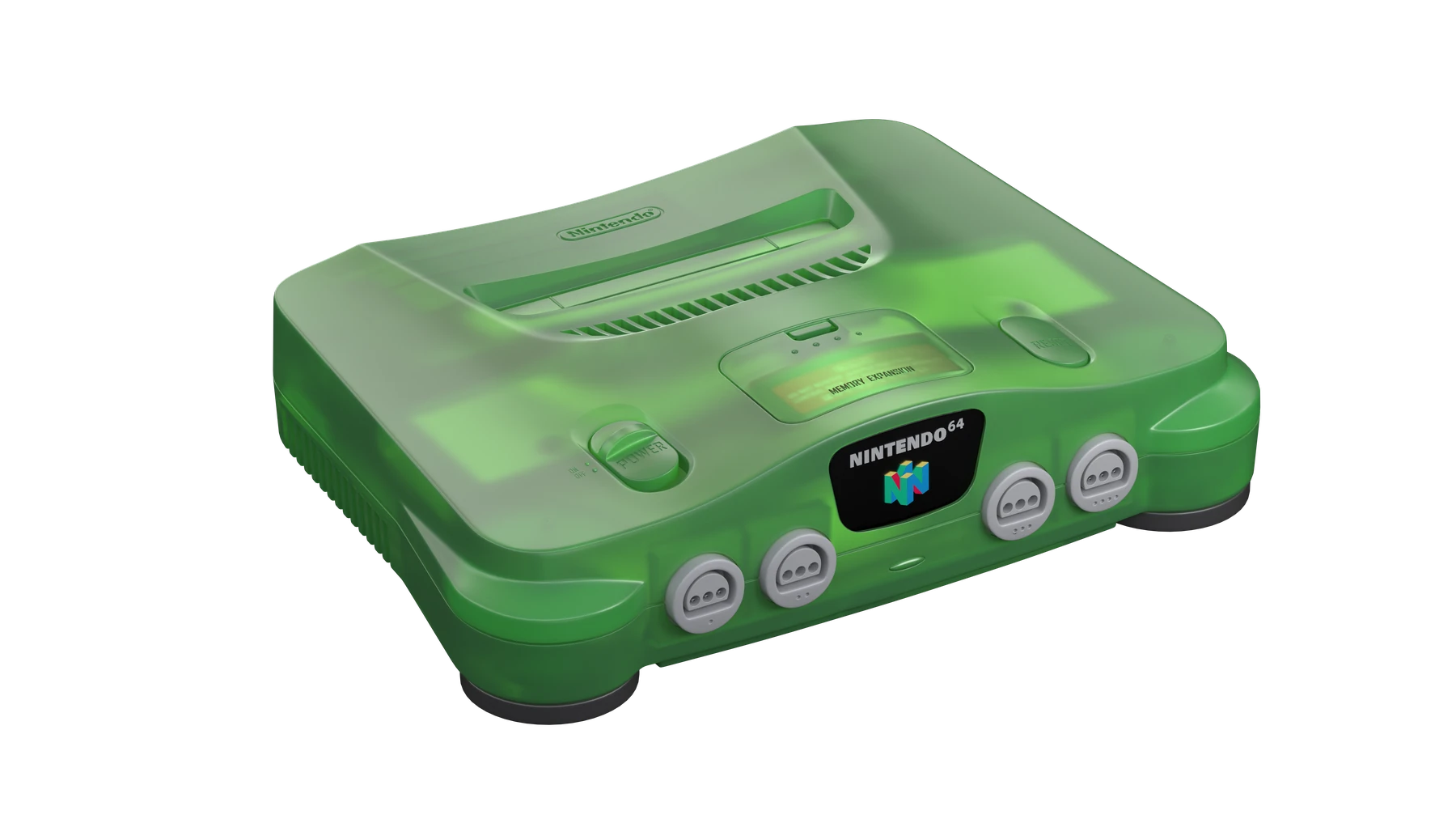
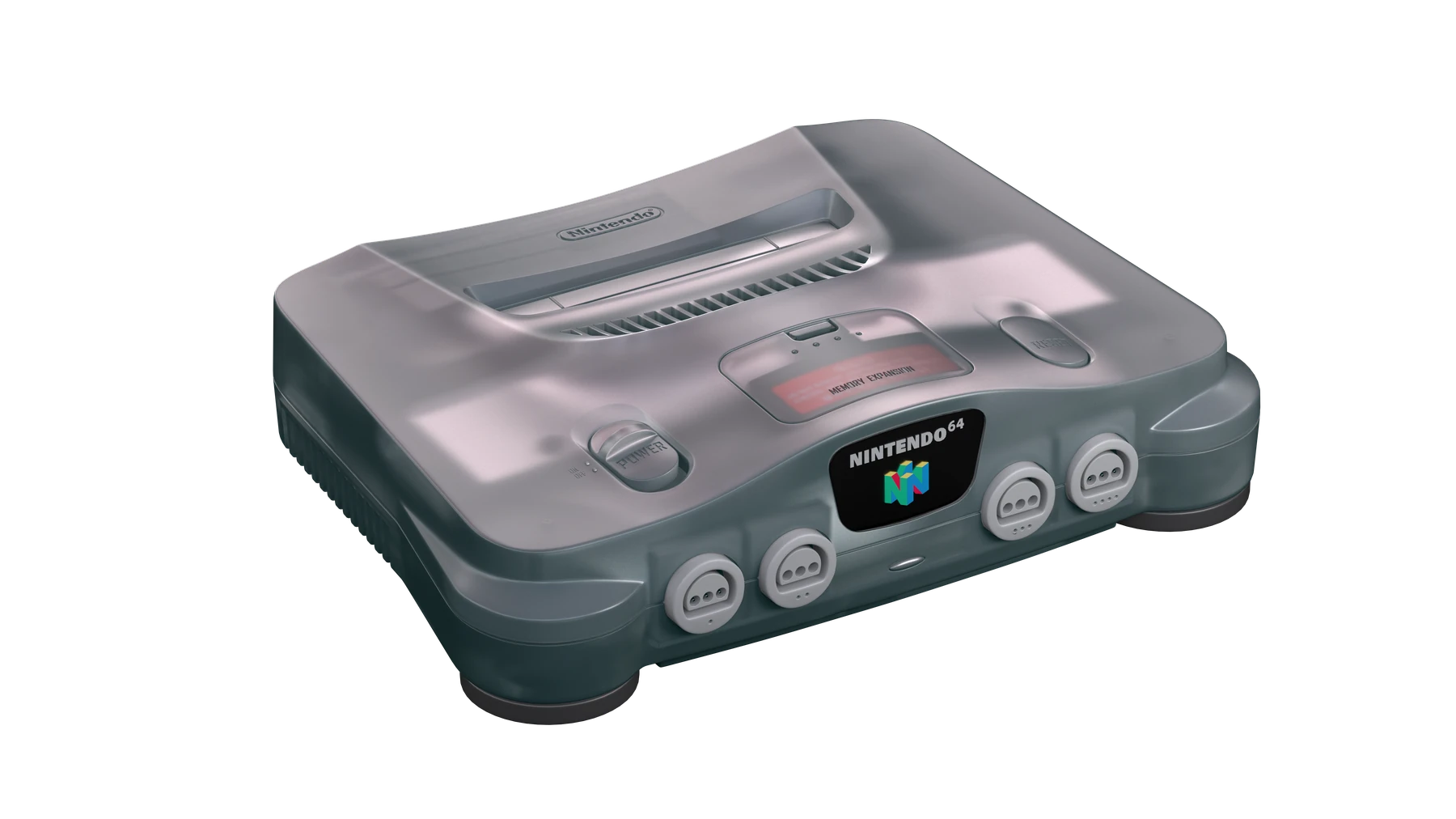
Later in production I returned to the consoles for a more true-to-life modeling, materials, and rendering pass across the standard and translucent variants. The revised form, materials, lighting, and presentation established the visual foundation used for the broader console family.
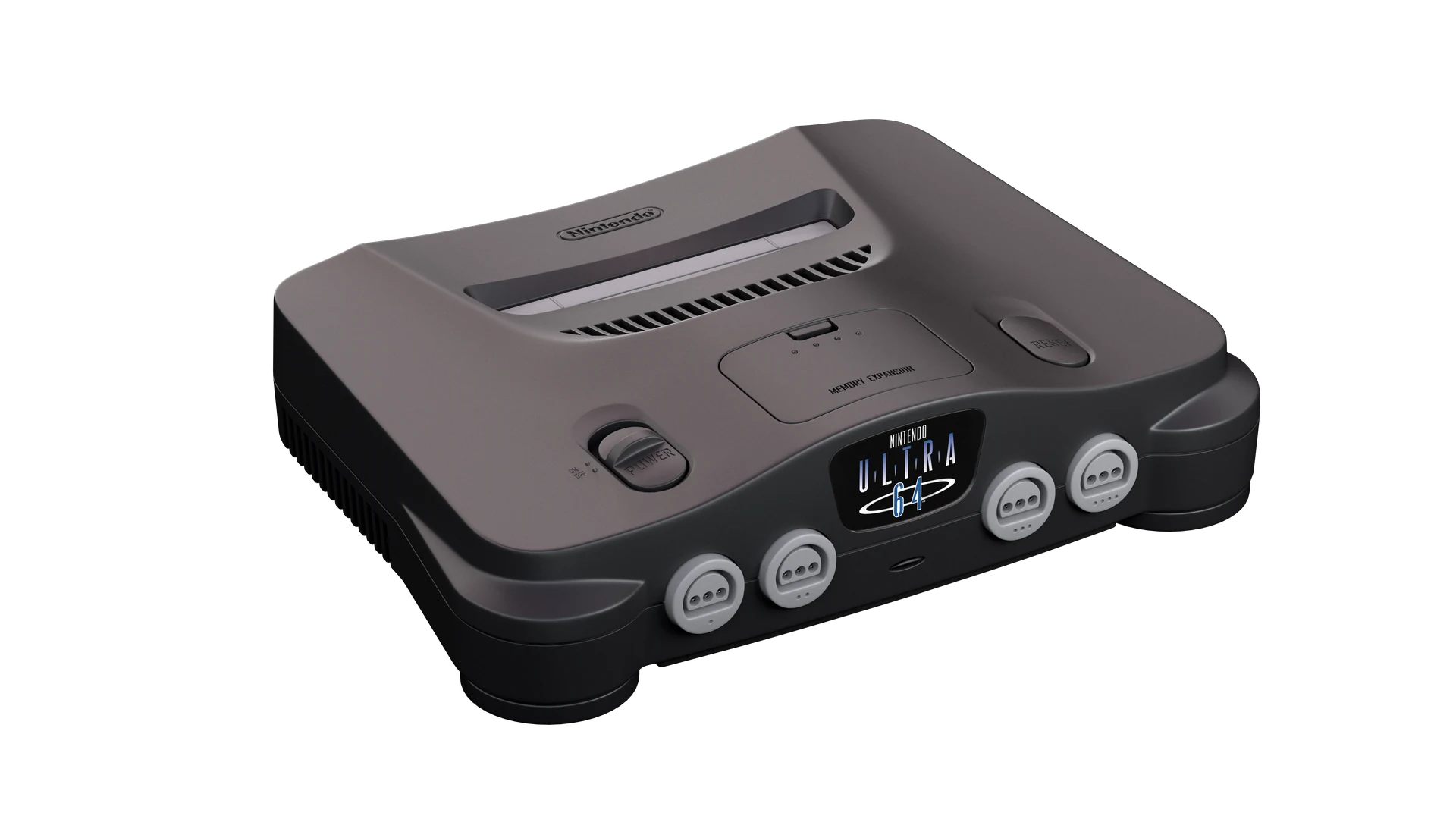
Ultra 64 Development-Era Presentation
The Ultra 64 presentation captures the system during its pre-release identity, pairing the development-era branding and hardware treatment with the same measured product-illustration approach used throughout the book.
This was more than a logo swap: the image needed to feel historically connected to the final hardware while remaining visually distinct as an earlier point in the console's development and public presentation.
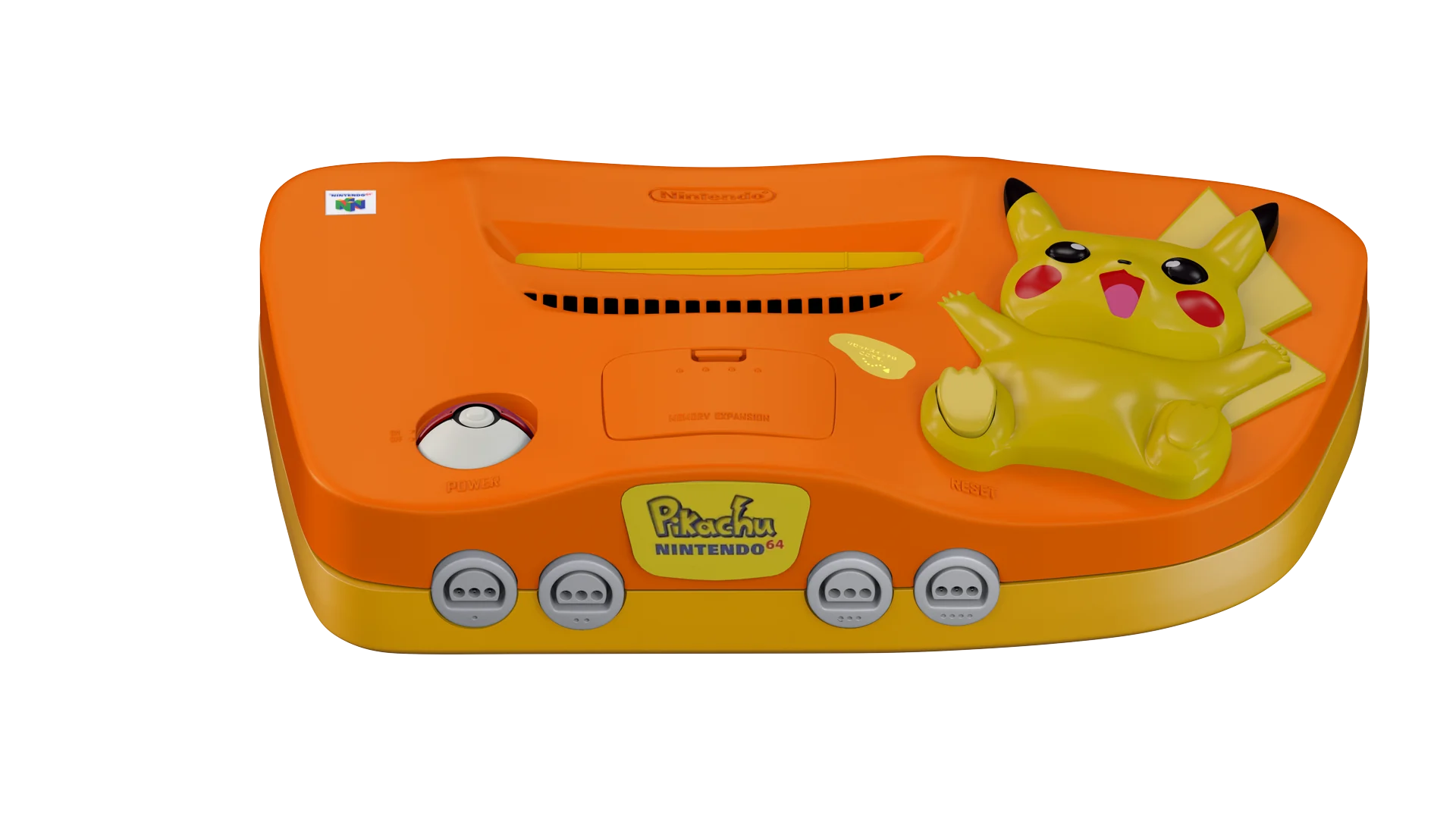
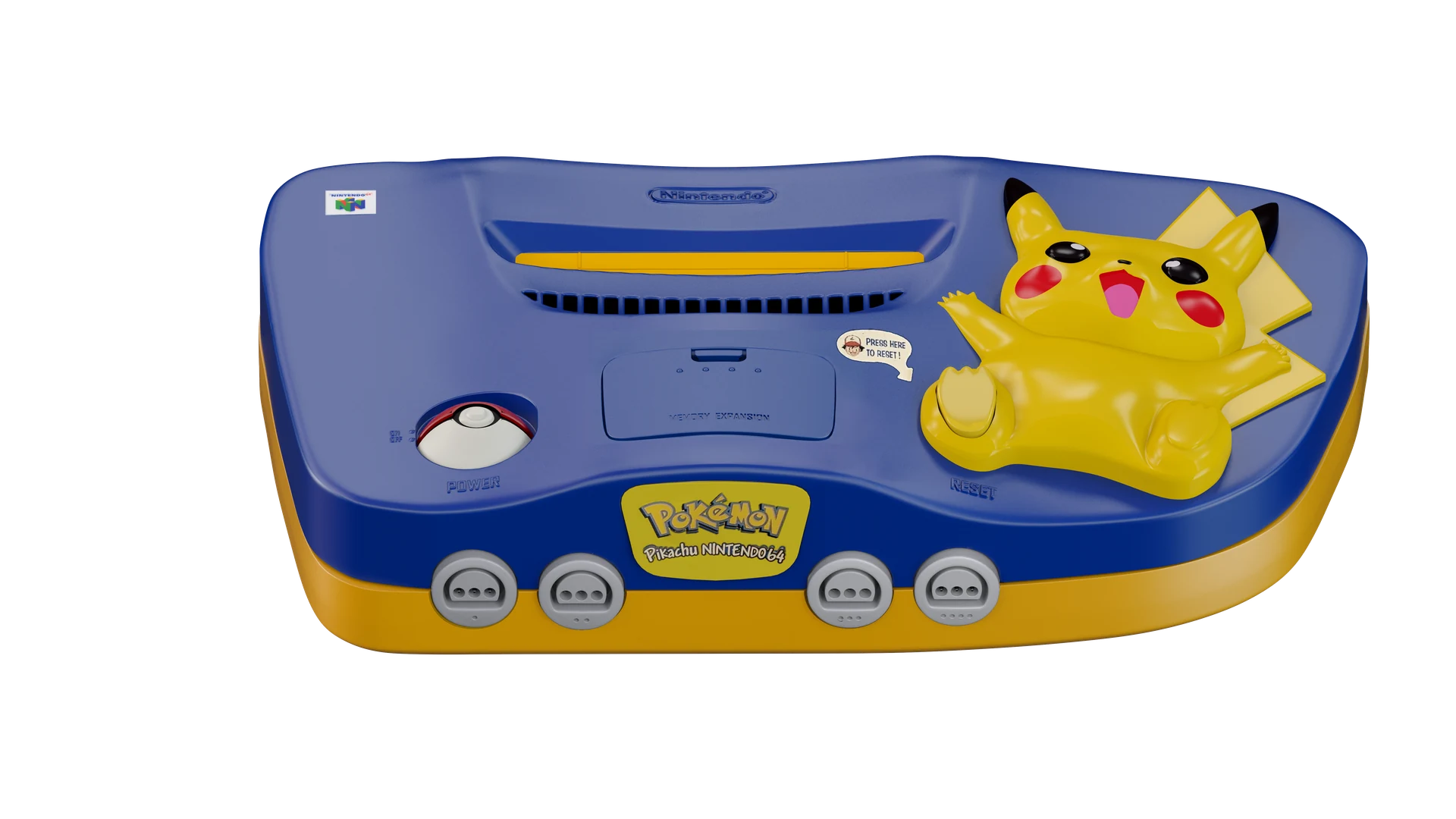
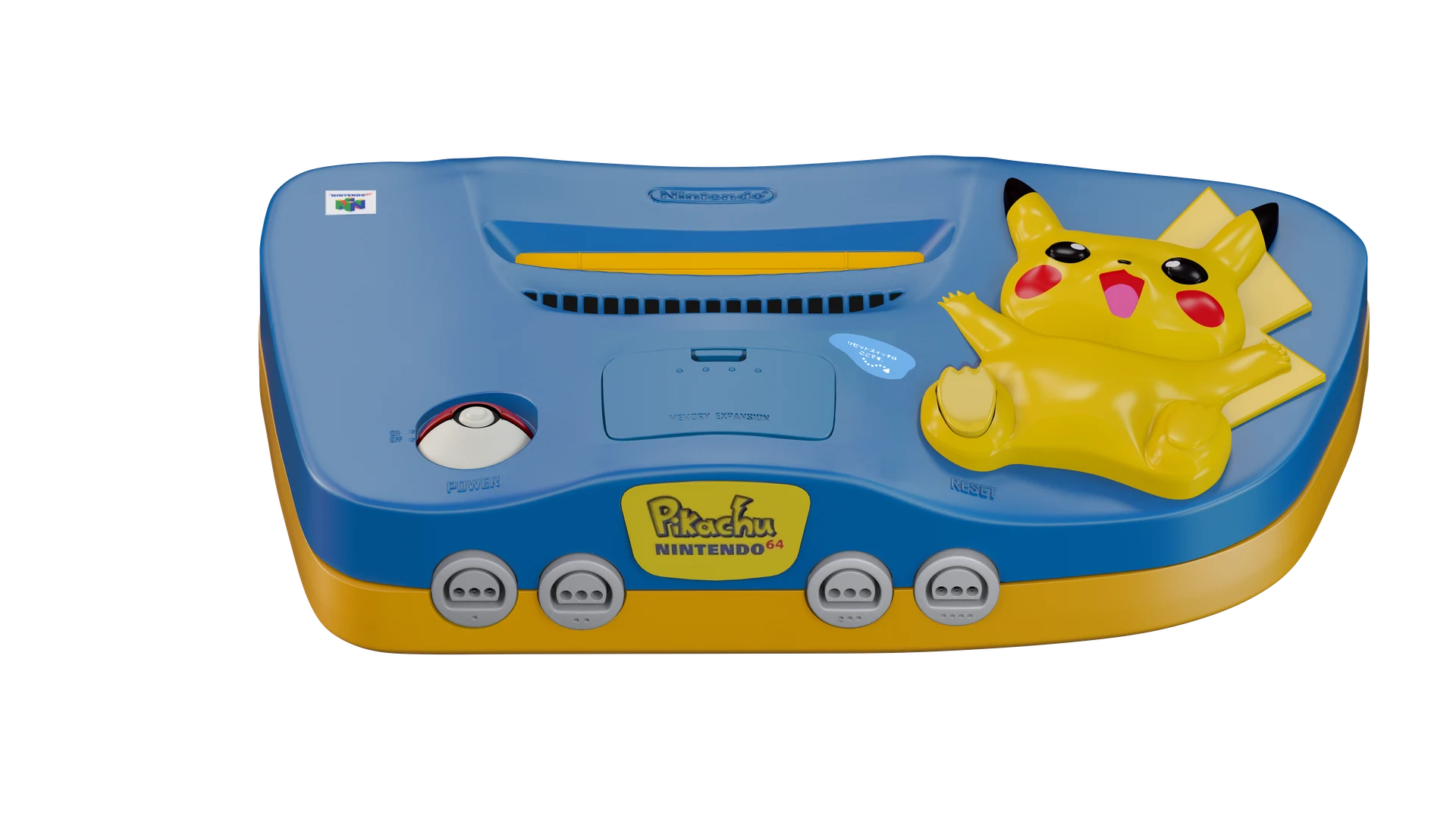
Pikachu Limited-Edition Console Family
The Pikachu console required dedicated modeling rather than a simple color variation. Its sculpted Pikachu form, Poké Ball power control, custom badges, altered shell contours, and character-specific details were reproduced as a complete special-edition hardware build.
I carried that model across the orange, blue, and light blue treatments needed for the publication, preserving consistent geometry, materials, camera position, and lighting so the regional colorways could be compared directly.
Nintendo 64DD Expansion System
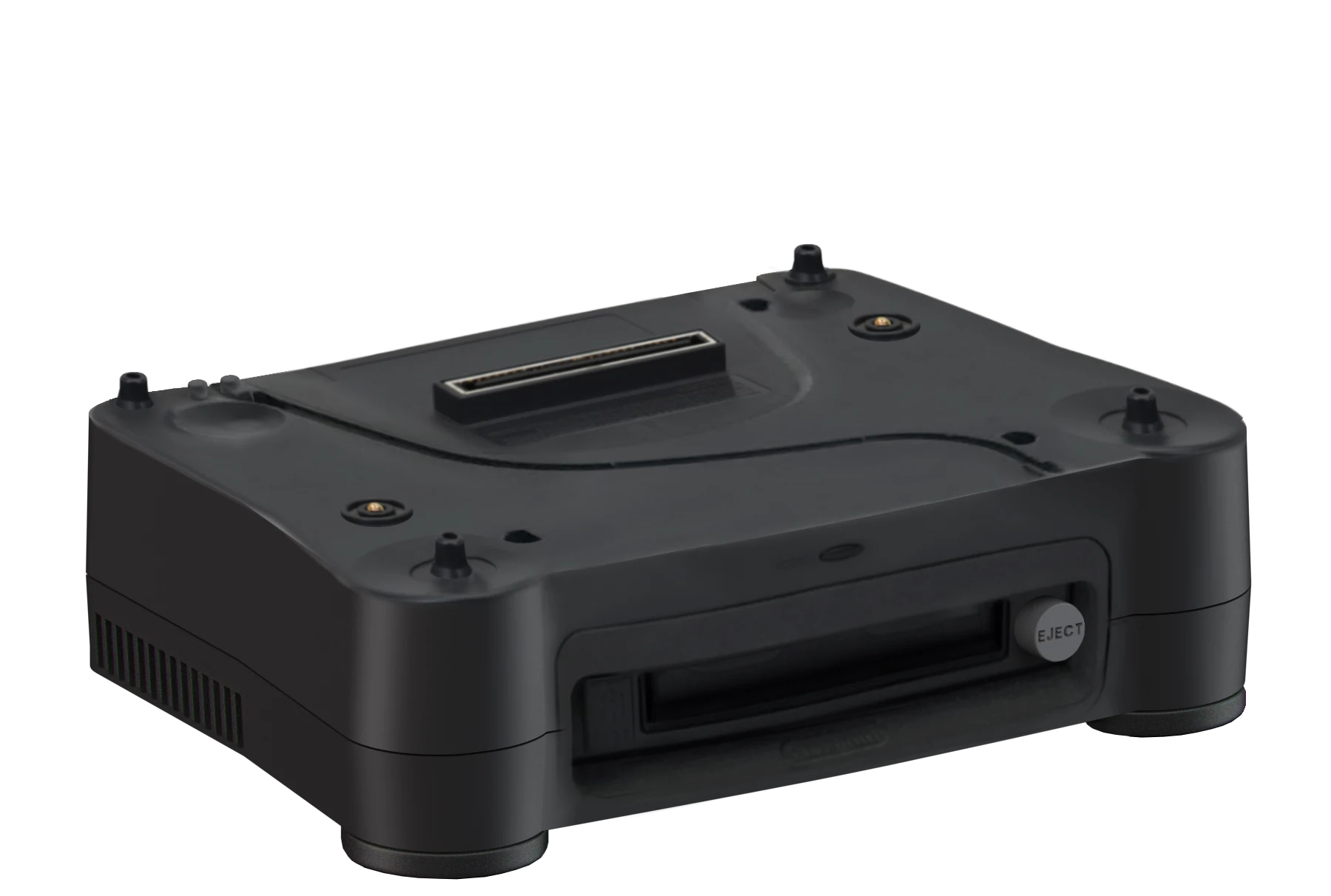
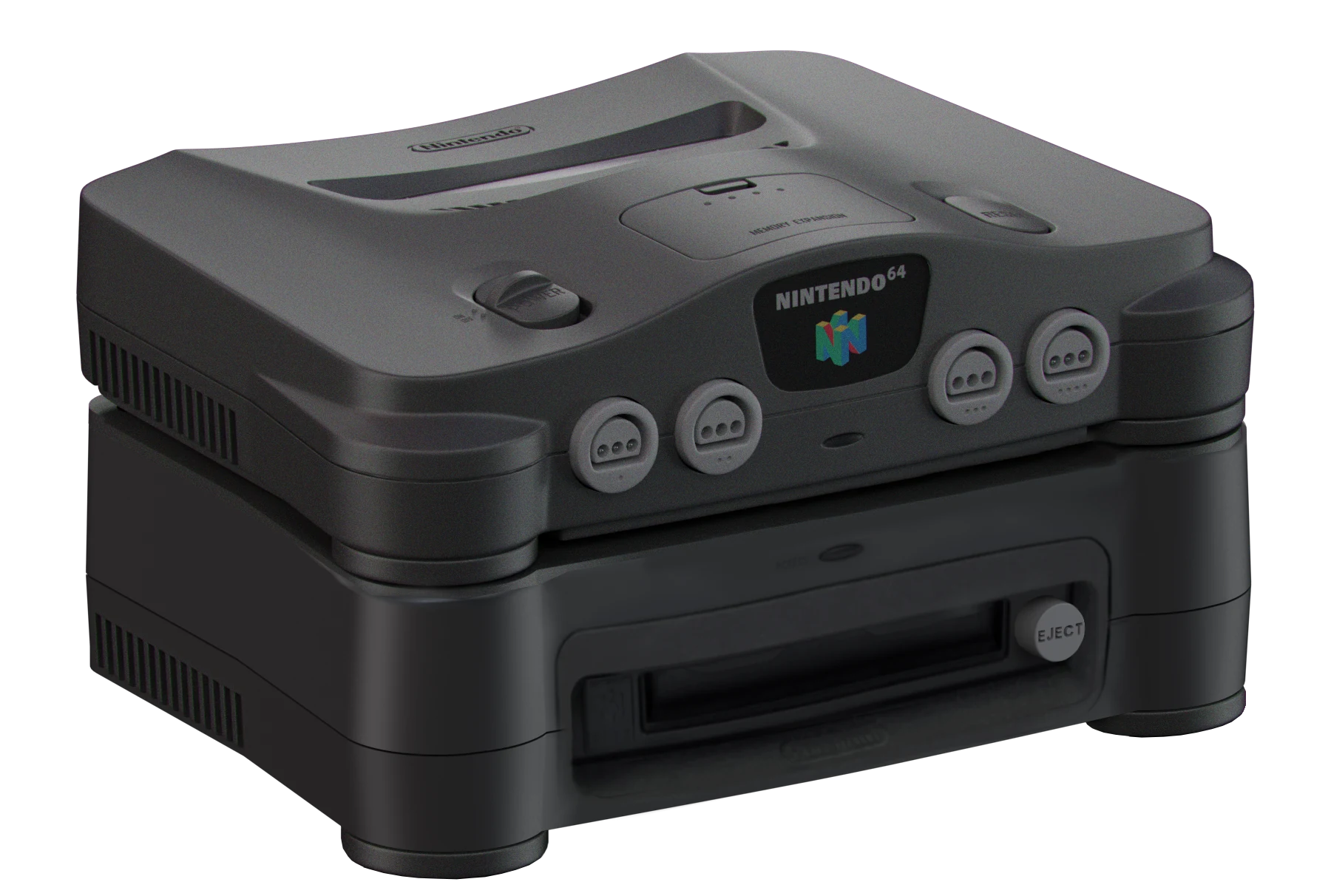
The Nintendo 64DD was approached as both a standalone industrial-design object and a system component. I recreated the disk-drive housing, front loading slot, upper console interface, feet, controls, labels, and subtle molded transitions that distinguish it from the base console.
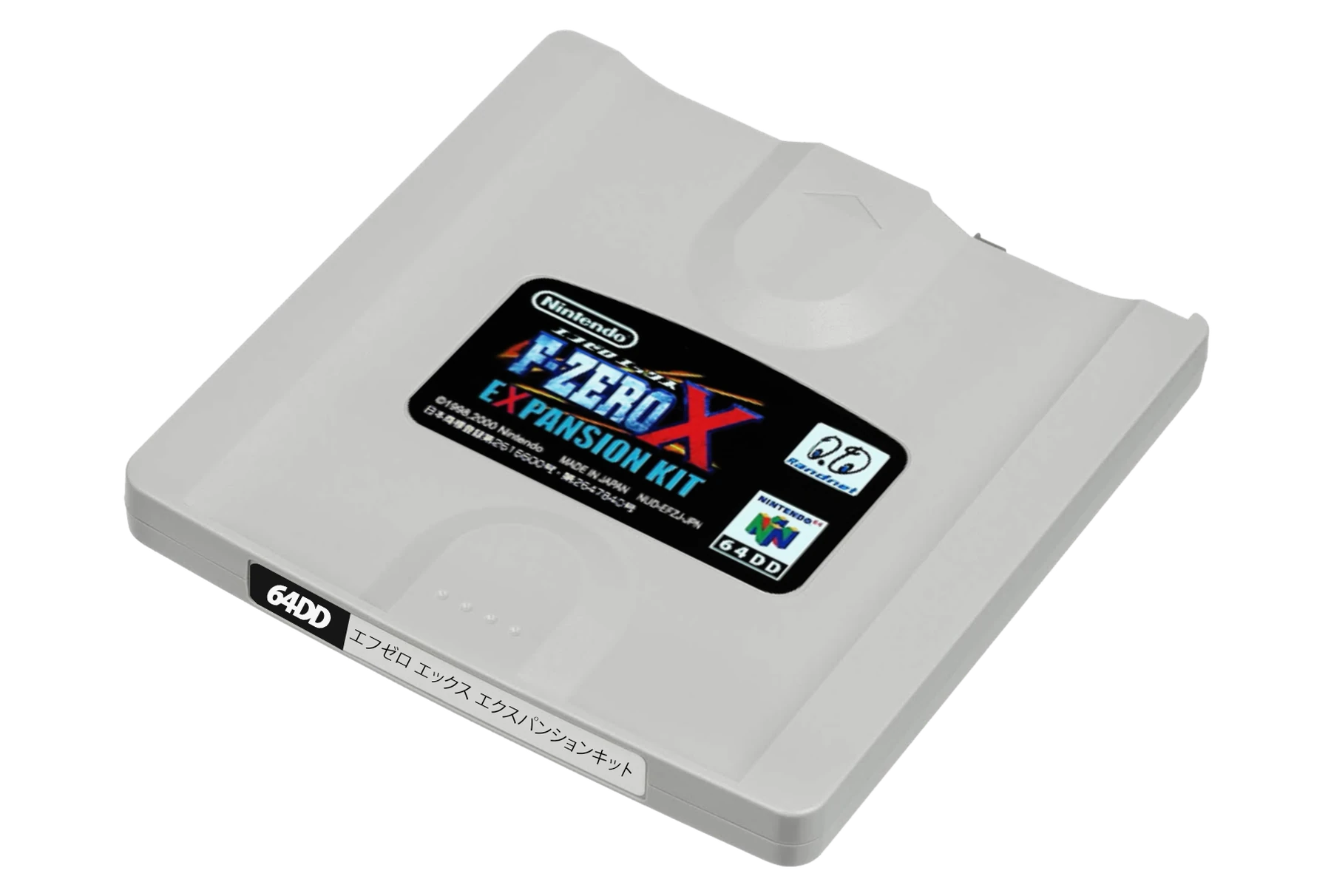
The final illustration set included isolated views of the expansion unit and fully assembled views beneath the Nintendo 64, clearly communicating its proportions and how the two pieces function as one stacked hardware system. I also created the 64DD disk media and its game-specific face and edge label treatments, represented here by the F-Zero X Expansion Kit.
Doctor V64 Hardware
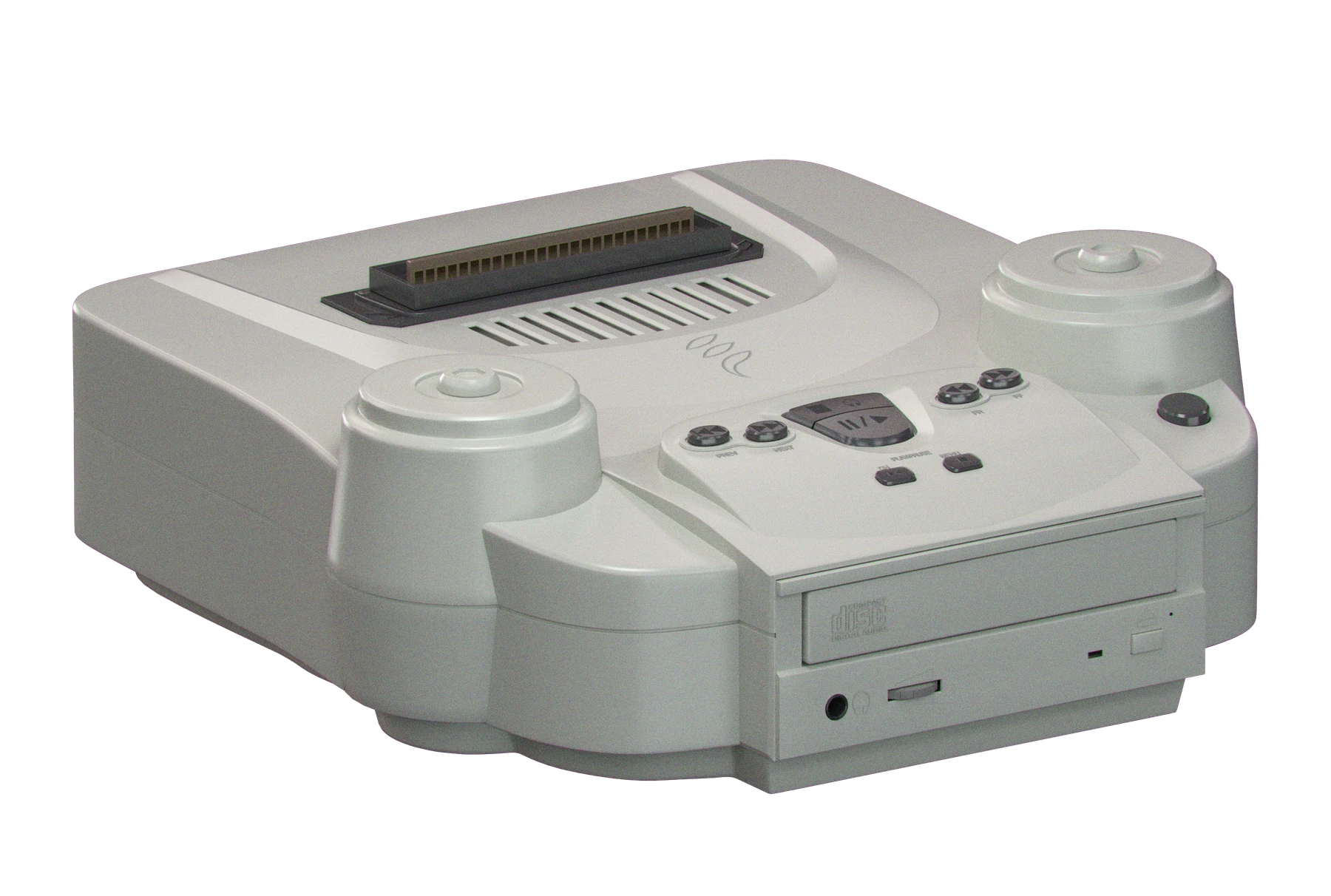
The Doctor V64 was one of the largest and most structurally involved third-party devices in the assignment. Its broad base, disc mechanism, upper console connection, control panel, display, vents, seams, and layered housing required a dedicated model and material pass.
Both the 128-megabit and 256-megabit configurations were rendered with matching presentation, preserving the subtle configuration differences while keeping the hardware readable as part of the same product family.
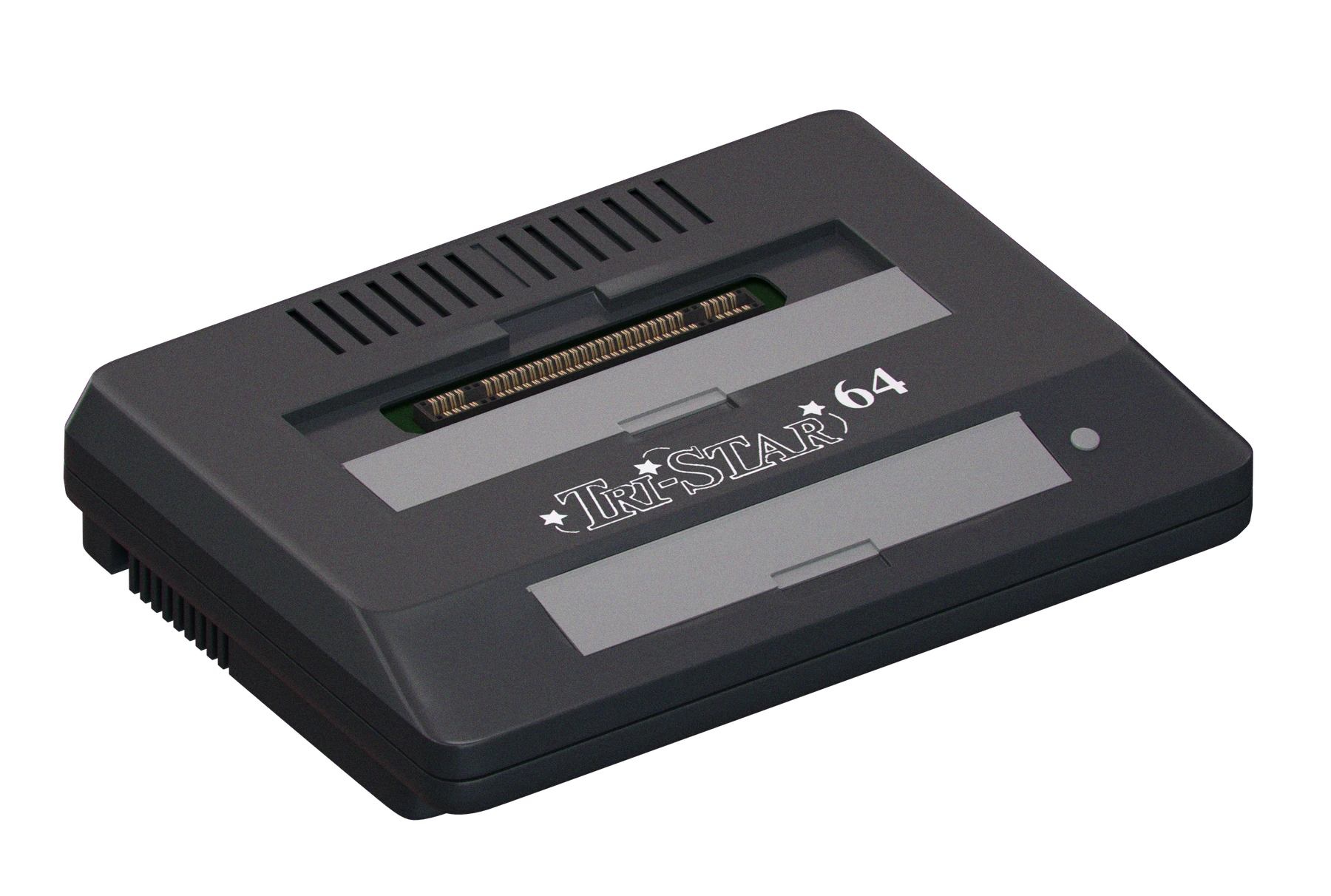
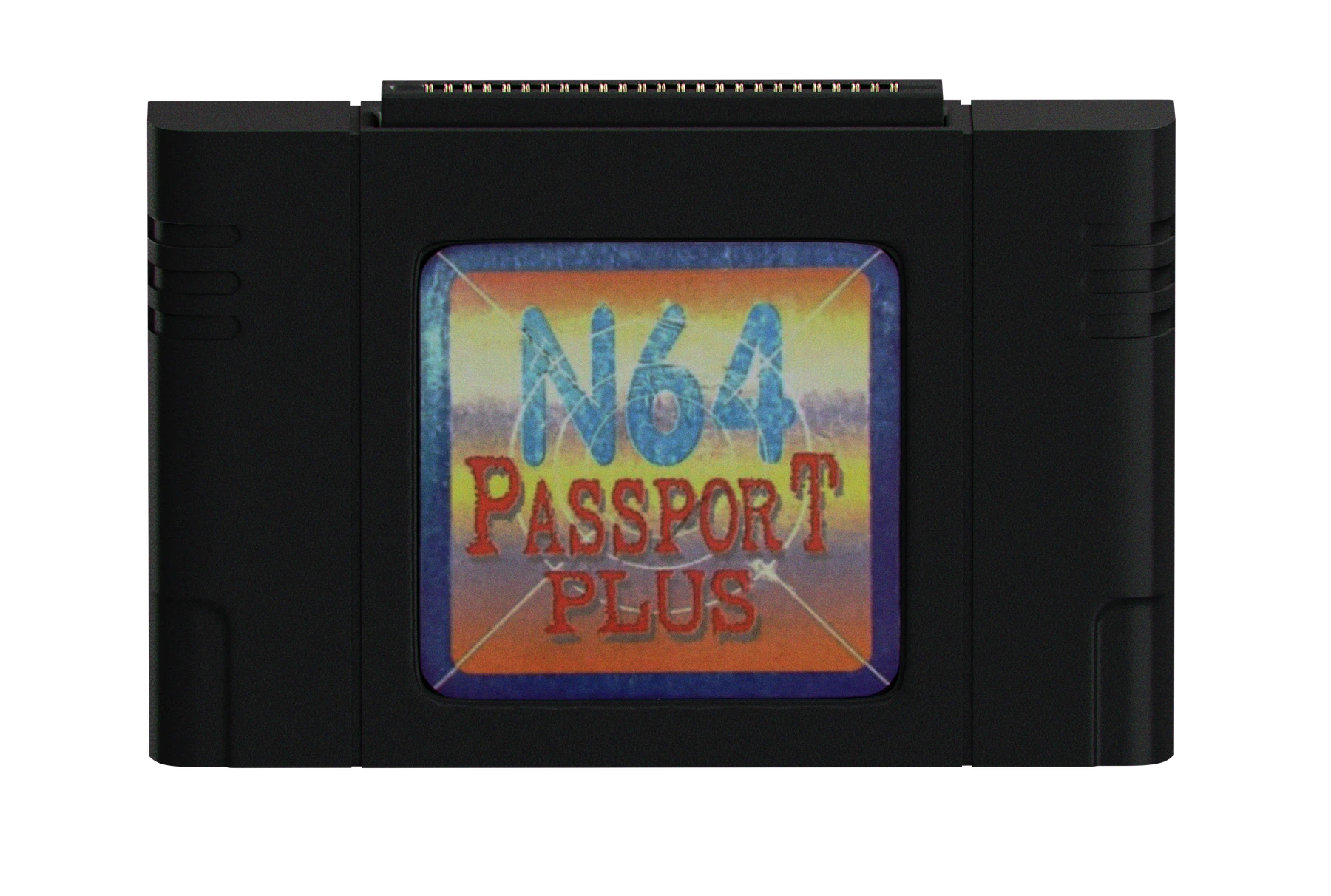
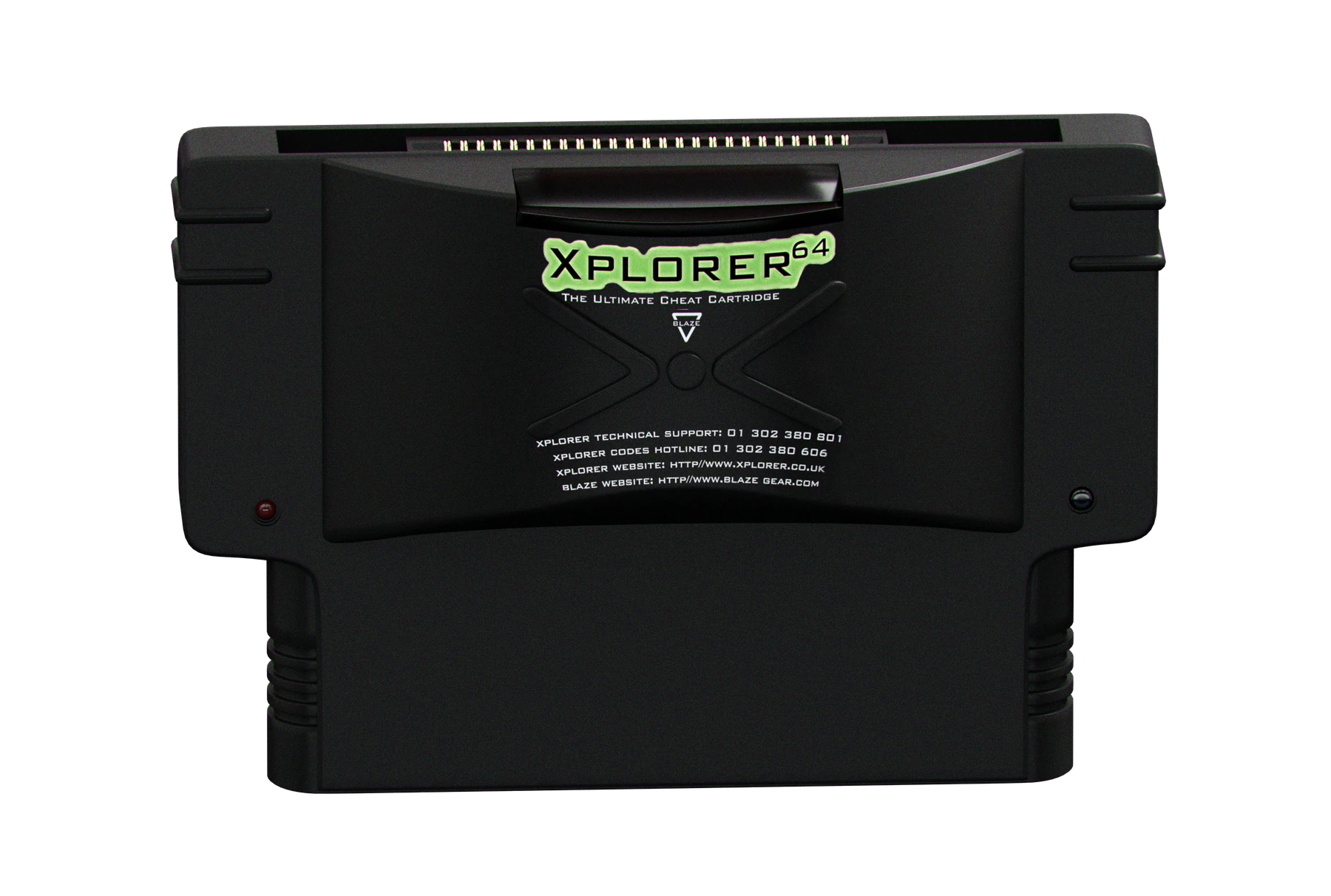
Tri-Star 64, Passport Plus and Xplorer 64
The Tri-Star 64, Passport Plus, and Xplorer 64 represent the unusual adapter and expansion side of the Nintendo 64 ecosystem. Each product introduced a different silhouette and its own arrangement of cartridge slots, connectors, switches, labels, seams, and molded details.
Recreating these uncommon devices meant treating modest accessory housings with the same attention as the consoles: accurate proportions, clean edge definition, readable interface details, and a consistent neutral presentation suitable for side-by-side publication.
First-Party Pak Accessory Lineup
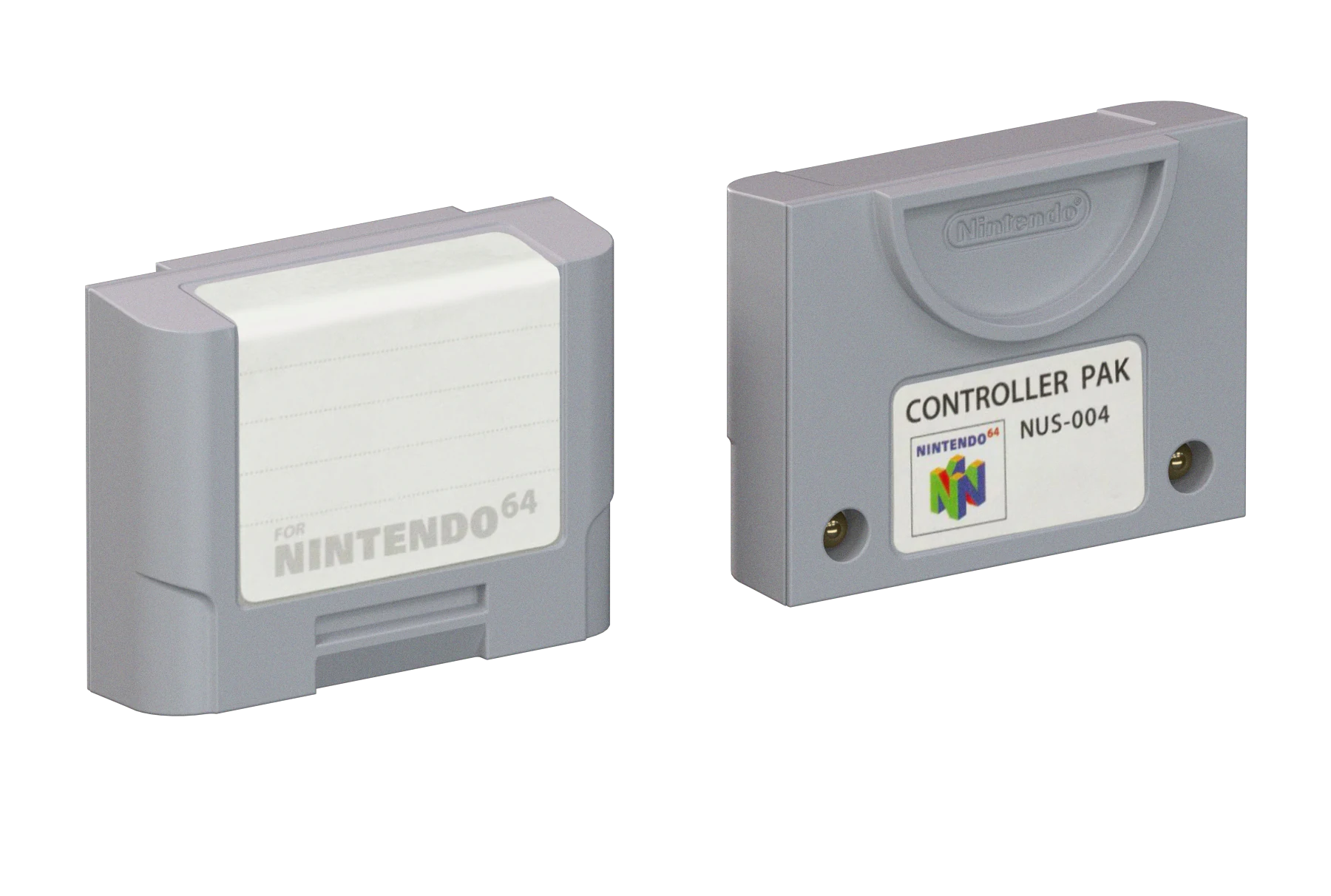
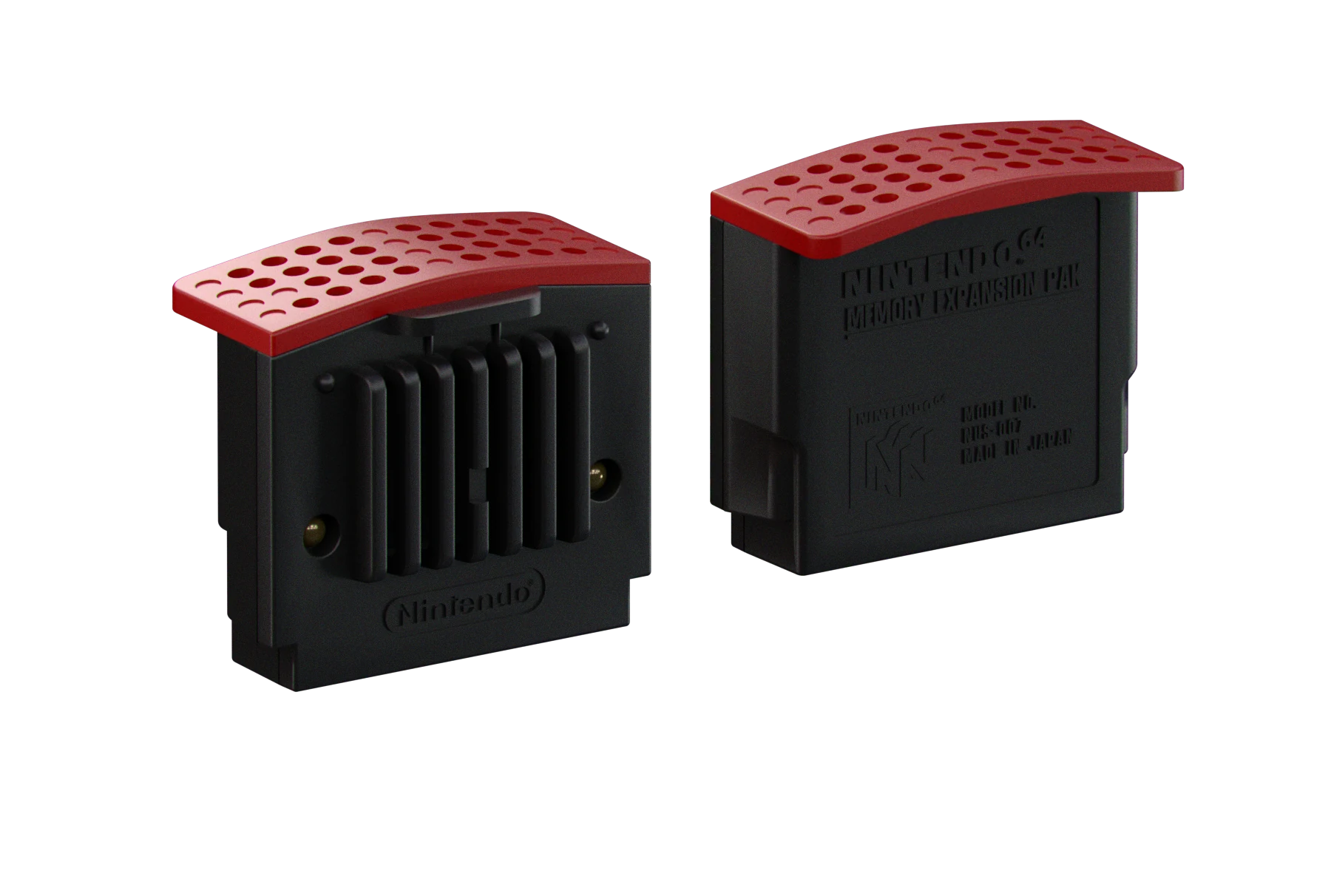
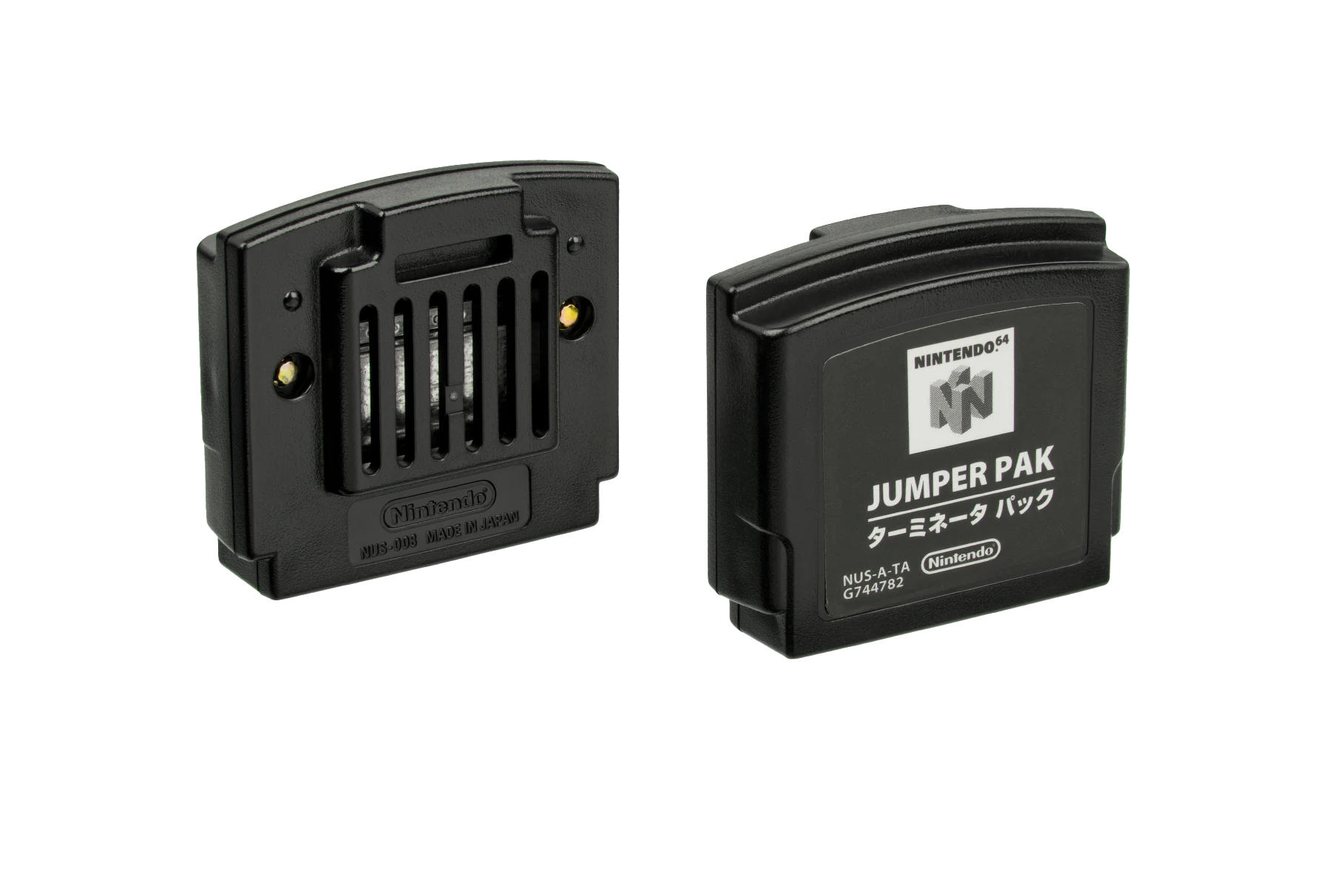
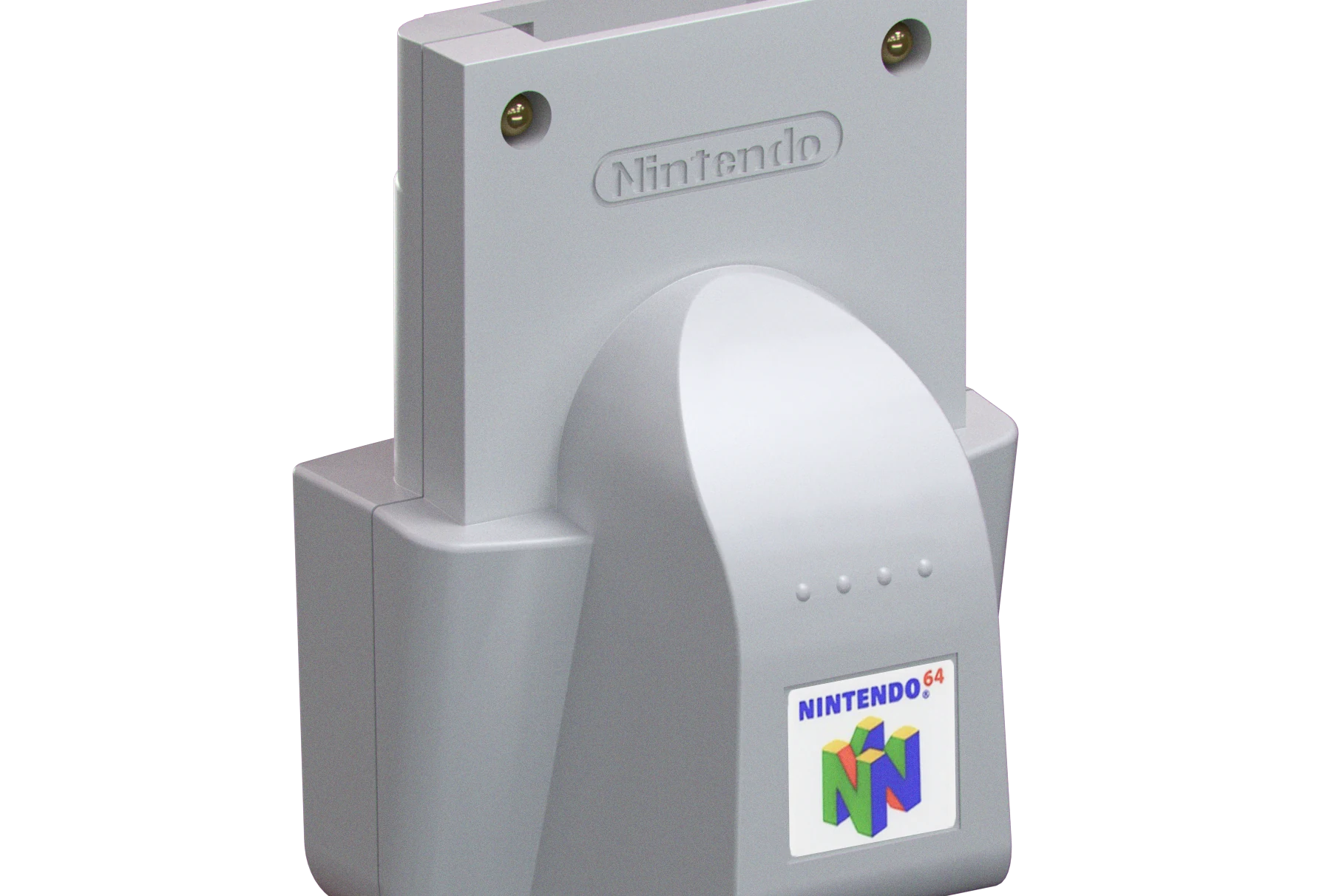
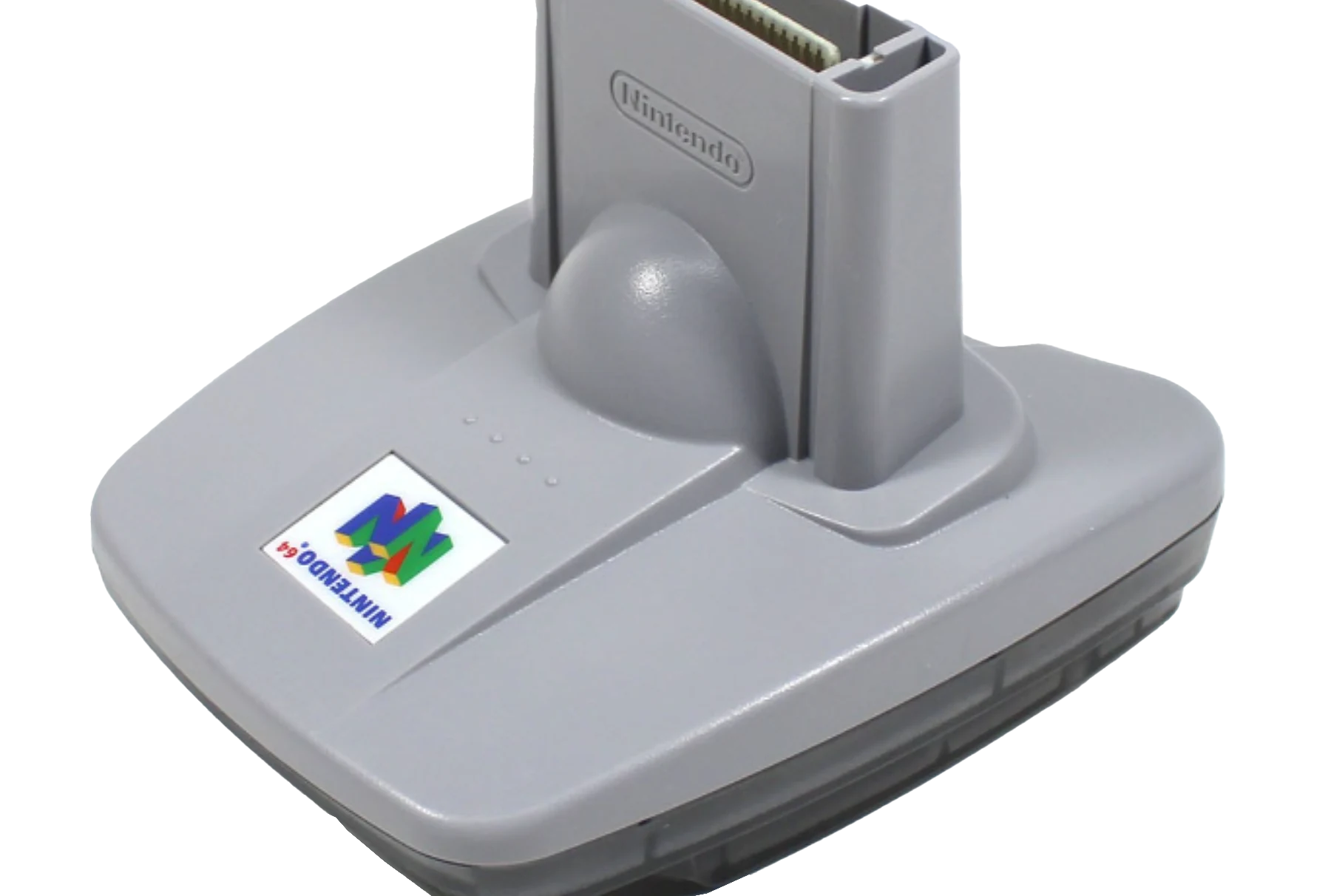
The compact Pak family extends the hardware record into the pieces users handled most directly. I recreated the Controller Pak, Expansion Pak, Jumper Pak, Rumble Pak, and Transfer Pak, accounting for their different connectors, vents, labels, battery compartments, cartridge interfaces, and molded housings.
Presented together, the set shows how Nintendo built several very different functions into a tightly related design language: saved-data storage, memory expansion, system memory termination, force feedback, and communication with compatible Game Boy cartridges.
Regular and Chrome Book Covers
My final assignment was to create the full-wrap cover presentation for the regular edition and its special-edition chrome counterpart. These covers brought the console, controller, cartridge, and accessory work together into the final public face of the book.
The book is an unofficial publication. Nintendo and all other product names, artwork, and trademarks shown remain the property of their respective owners.